



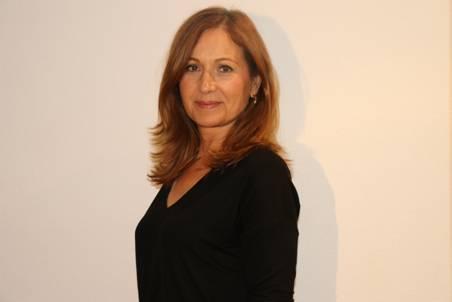
Maria de Lurdes Vale (Portuguese Tourism Office): FITUR is a platform to reinforce our international visibility


The Director of Tourism of Portugal in Spain explains the strategies and challenges of the Portuguese government to further boost the tourism industry, as well as the products and segments they have made a commitment to.
What does FITUR mean for Portugal and how did your participation in the latest edition of the International Tourism Trade Fair, organised by IFEMA MADRID, contribute to the development of tourism in your country?
FITUR is a strategic platform for strengthening Portugal's international visibility and consolidating relations with priority markets and industry professionals. We always have a magnificent stand at the entrance of Hall 4 where we bring together our country’s seven tourist regions.
Our participation facilitated business for the companies that accompany us, which were able to present new tourism proposals, promote innovative segments and reinforce the positioning of Portugal as a destination of excellence. In addition, FITUR always offers us an important opportunity to showcase Portugal's ability to combine authenticity, sustainability, innovation and quality, elements that today are essential to compete in the most demanding international markets.
What does tourism represent for the Portuguese economy?
Tourism is one of the main drivers of the Portuguese economy. It currently accounts for about 12% of national GDP and more than 16% of exports of goods and services. It is a strategic industry because it generates wealth, employment and investment, as well as boosting activities such as hotels, restaurants, commerce, culture and transport.
Portugal closed 2025 with a growth of almost 6% in tourism revenue, consolidating its position among the most competitive destinations in Europe. Most importantly, we are growing more in revenue than in the number of overnight stays, which clearly shows that our strategy is to create more value and focus on the quality and excellence of our offering.
What impact does the industry have on society?
Tourism has a cross-cutting impact on the whole of Portuguese society. It contributes to the creation of direct and indirect employment throughout the territory, especially in regions with less industrialisation, and helps to stabilise population and boost local economies.
It also plays a key role in enhancing Portugal's historical, cultural and natural heritage. Tourism also strengthens our international projection and contributes to positioning the country as a safe, innovative, sustainable and culturally diverse destination.
What are your government's strategies and challenges in terms of tourism?
Our tourism strategy is focused on sustainability, innovation and the quality of our supply. The real challenge is no longer just to increase the volume of visitors, but to generate more value, attract higher quality tourism and offer unique experiences.
We are investing in the modernisation of infrastructures, in the digitalisation of the industry, in environmental sustainability and in the international promotion of Portugal as an emotional and innovative brand. We are also working to decentralise tourism and promote lesser-known destinations, reducing pressure on the most saturated areas.
Which tourism products and segments have you decided to focus on?
We want to continue to promote tourism segments with high added value and aligned with new international trends. These include wine tourism, literary tourism, cultural tourism, food tourism, nature and wellness tourism, as well as authentic and personalised experiences.
We are seeing that travellers are increasingly looking for unique, differentiating and sustainable experiences. That is why we are committed to tourism products that are capable of surprising and exciting.
How do you plan to develop these products?
We will use tools linked to innovation, international promotion and the creation of differentiated tourism products. We are committed to more segmented and emotional communication campaigns, digitalisation and strategic alliances with international operators. In addition, we are working on developing thematic and niche experiences. A very interesting example was the connection we presented at FITUR 2026 between literary tourism, nature, wine and wine tourism, which allowed us to reach more sophisticated and discerning segments, where the quality of the experience is decisive.
What other areas do you consider relevant to boost tourism in Portugal?
Sustainability is a top priority. Tourism growth must go hand in hand with territorial balance, environmental protection and quality of life for local communities.
We also consider it essential to continue to invest in training, innovation and talent. We want to position Portugal as a dynamic, inclusive and innovative country, capable of offering increasingly differentiated and competitive experiences on an international scale.