




Ramón Estalella (CEHAT): FITUR highlights the strength of Spanish tourism


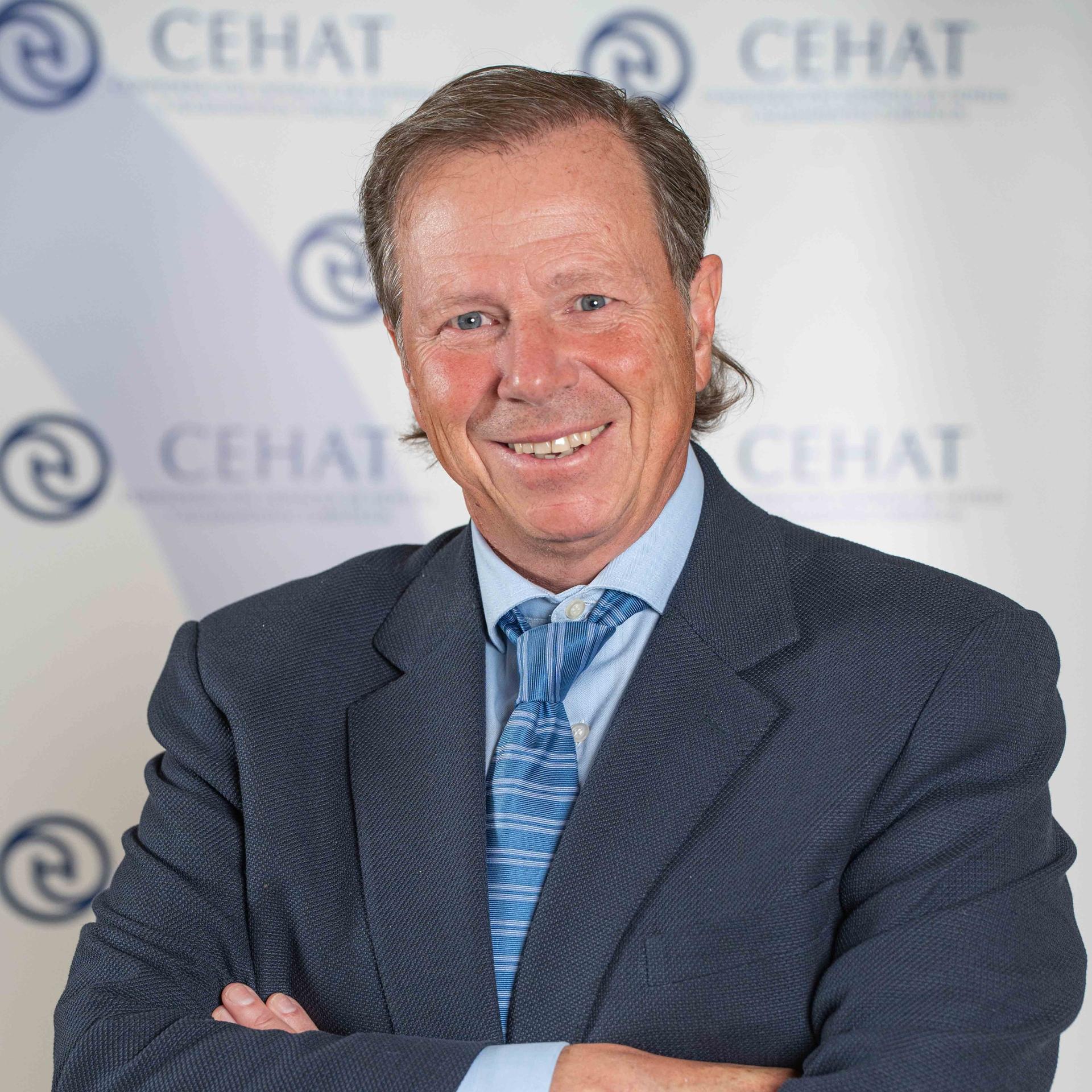
Ramón Estalella, general secretary of the Spanish Confederation of Hotels and Tourist Accommodation (CEHAT), affirms that the Spanish hotel industry is facing 2026 with a positive outlook against a backdrop of stability for the coming months; and he outlines the new trends and challenges facing the tourism industry. Furthermore, Estalella emphasises that FITUR is one of the main meeting points for the global tourism industry and an essential platform for showcasing the strength of Spanish tourism.
How is the Spanish hotel industry performing in 2026?
The Spanish hotel industry has a positive outlook for 2026. The latest ‘Smart Observatory Summer–Autumn 2026’ report, produced by CEHAT and PwC, points to a stable outlook for the coming months. The key indicators show a positive trend. Between April and May, revenue per available room (RevPAR) rose by 6% compared with the same period last year, whilst occupancy increased by one percentage point to 69%. Furthermore, international tourism continues to perform very strongly, with a 2.5% increase in the number of travellers staying in hotels, driven in particular by markets such as Eastern Europe, the Netherlands and the United States.
Added to this is air connectivity, which will continue to expand during the second half of the year, with growth of 6.1% forecast for the summer and an equally positive outlook for the autumn. All of this confirms the resilience and adaptability of the Spanish hotel industry in a complex international context.
What new trends are you detecting in our country’s tourism industry?
We are seeing a gradual shift towards a model of tourism that is increasingly focused on quality and added value. Travellers are looking for experiences that are more comprehensive, personalised and rooted in the local area. The Smart Observatory reflects, for example, a growing interest in products linked to nature and gastronomy, while travellers’ perceptions of Spain continue to improve. We have also observed a diversification of source markets, with the strengthening of new international markets that complement the excellent performance of our traditional markets.
Another trend that is becoming increasingly apparent is the gradual reduction in the seasonality of tourism. Spain is no longer a destination associated exclusively with certain times of the year and is moving towards a model in which demand is more evenly spread across the different seasons. Improved connectivity, a more diverse range of offerings and growing interest in products such as nature, gastronomy, city breaks and wellness are helping to extend the tourist season beyond the months traditionally regarded as the high season, thereby promoting a more balanced and sustainable development of destinations.
At the same time, the industry continues to evolve towards a more specialised and sustainable offering that is tailored to new customer preferences, thereby strengthening Spain’s competitiveness as a destination.
What new challenges lie ahead?
The main challenge we are facing is to consolidate a tourism model capable of continuing to generate prosperity through economic, social and environmental sustainability. We live in an international context characterised by geopolitical uncertainty, fluctuating energy costs and the ever-changing demands of travellers. Against this backdrop, the hotel industry will need to continue investing in modernisation, innovation, staff training, efficiency and continuous quality improvement.
Another key challenge is to safeguard Spain’s competitiveness as a leading destination, while striking a balance between growth, sustainability and the well-being of local communities. In this regard, hotels play a vital role in creating jobs, fostering regional cohesion and generating social value – a fact that CEHAT is highlighting through initiatives such as the ‘Stories that unite us’ campaign.
How significant are issues such as technology, digitalisation and sustainability in the tourism industry?
These are absolutely strategic elements. The competitiveness of the hotel industry necessarily depends on innovation and the adoption of technological solutions that enhance the customer experience, optimise the management of establishments and advance data-driven decision-making. In fact, the Smart Observatory is an example of how tourism intelligence has become a vital tool for anticipating trends and facilitating business planning through the joint analysis of macroeconomic indicators, on-the-books reservations, connectivity, travel intentions and tourist sentiment.
The Instituto Tecnológico Hotelero (ITH, Hotel Technological Institute) plays a key role in this process; it is an innovation centre affiliated with CEHAT since 2005 and a key player in the technological transformation of the Spanish hotel industry. The ITH promotes the adoption of innovative solutions in areas such as digital transformation, artificial intelligence, energy efficiency, sustainability, hotel operations and data management, providing businesses with practical tools that enhance their competitiveness and help them tackle the present and future challenges of the tourism industry with greater confidence.
At the same time, sustainability has shifted from being a trend to become a core business strategy in the hotel industry. More and more establishments are investing in energy efficiency, responsible resource management, accessibility and integration with the local environment, thereby meeting both travellers’ expectations and the industry’s future challenges.
What would you highlight about the hotel industry’s contribution to society?
I would like to highlight the enormous value that the hotel industry brings to society. Hotels not only generate wealth and employment; they also help to revitalise destinations, preserve heritage, promote regional cohesion and create spaces where millions of people can come together.
At CEHAT, we are working to highlight precisely this social aspect of tourist accommodation through initiatives such as ‘Stories that bring us together’, because we believe that hotels are much more than just places to sleep: they are settings where experiences are created, communities are strengthened and memories are made.
Spain maintains its position as a leading international tourist destination thanks to the joint efforts of thousands of businesses and professionals who, day in, day out, are committed to excellence, innovation and high-quality hospitality. That will continue to be the best way to face the future with confidence.
How important is your association’s participation in FITUR, and what are your expectations for FITUR 2027?
FITUR is one of the main meeting points for the global tourism industry and an essential platform for showcasing the strength of Spanish tourism. For CEHAT, this represents a unique opportunity to give a voice to the hotel industry, present initiatives and studies such as the Smart Observatory, share knowledge with public authorities and the industry as a whole, and continue to promote a model of tourism based on quality, innovation and sustainability.
Fiturtechy plays a particularly important role in this commitment to innovation. Since their inception, CEHAT and the Instituto Tecnológico Hotelero (ITH) have made a significant organisational, human and financial effort to turn this event into the leading forum for knowledge and innovation in tourism in our country. Each edition takes more than six months to prepare and brings together around 200 national and international experts, who analyse the major trends that are transforming the industry. The impact of Fiturtechy extends beyond the days of the trade fair itself, as the content, discussions and conclusions it generates continue to inform the industry’s knowledge and thinking throughout the year.
In this regard, we would like to acknowledge IFEMA Madrid’s foresight in having spearheaded, alongside the industry, an initiative that has successfully evolved from a technology exhibition space into a genuine think tank for the future of tourism.
Looking ahead to FITUR 2027, we hope to continue contributing to the debate on the major challenges facing the tourism industry, to strengthen public-private partnerships, and to demonstrate the Spanish hotel industry’s ability to continue leading the transformation of international tourism.