



Carmen Caballero: Colombia'sparticipation in FITUR 2026 was historic


"Tourism has established itself as one of the main drivers of economic growth in Colombia and as a strategic source of foreign exchange generation, employment and regional development."
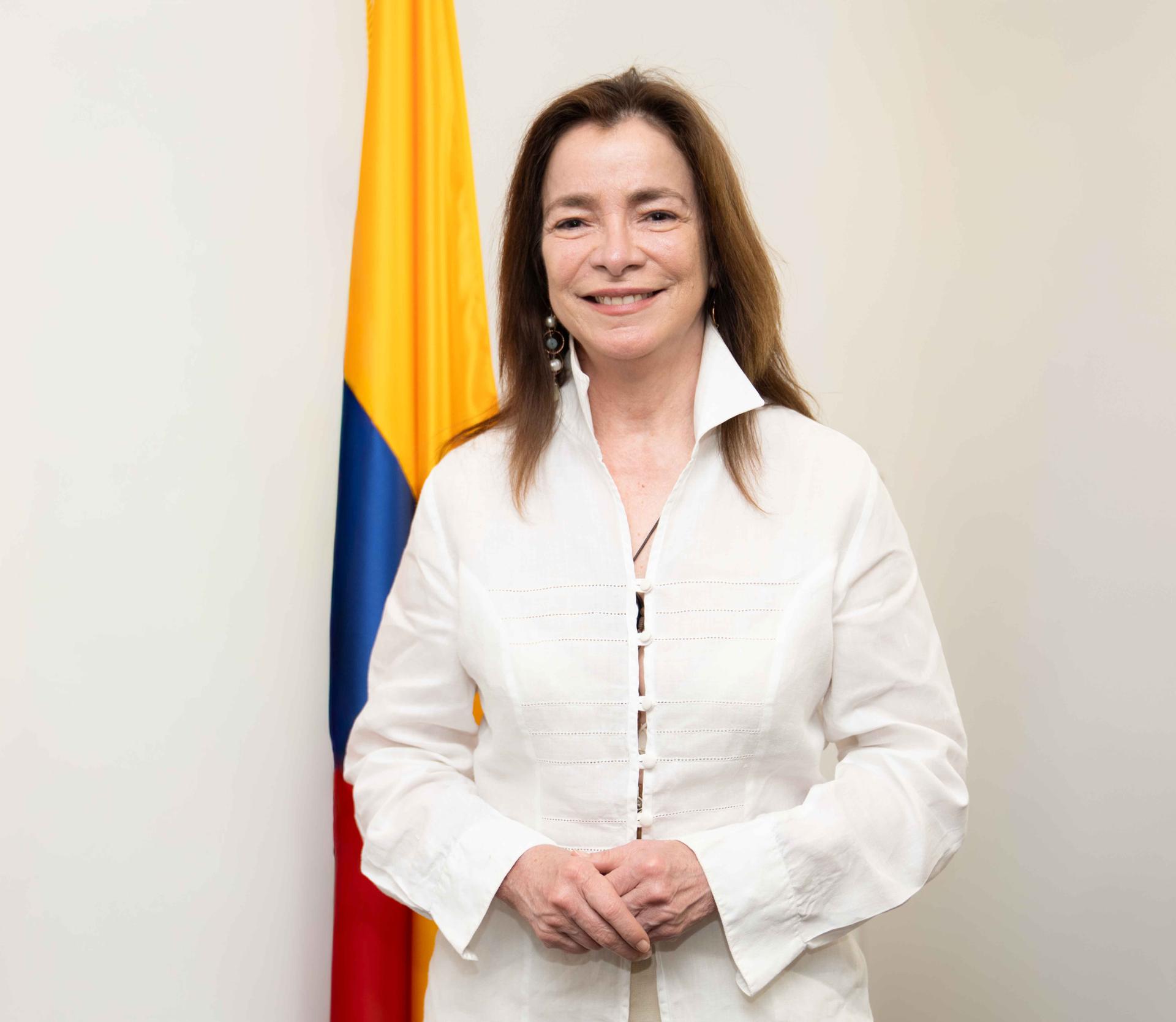
This is confirmed by the President of ProColombia, Carmen Caballero, who outlines the country's main tourism projects. Caballero also states that "Colombia's participation in FITUR 2026 was historic and ratified the country's international positioning as a competitive, sustainable and reliable destination".
What does the tourism industry mean for the Colombian economy?
Tourism has established itself as one of the main drivers of economic growth in Colombia and as a strategic source of foreign exchange, employment and regional development. At ProColombia we are celebrating that between August 2022 and February 2026, the country received more than 22.5 million non-resident visitors, representing a growth of 113.2% compared to the period between August 2018 and February 2022.
This dynamism is also reflected in the generation of foreign exchange associated with tourism, which in 2025 reached 11,166 million dollars, with a growth of 9.4% compared to the previous year. In addition, spending by international travellers has a direct impact on the local value chain, especially in sectors such as hotels, restaurants and travel agencies, strengthening regional economies and promoting opportunities in the territories.
What impact does tourism have on society as a whole?
Tourism has a transformative impact on Colombian society by decentralising development and bringing economic opportunities to historically less visible regions. Our commitment is that the benefits of tourism are far-reaching -from the desk to the territory- strengthening communities, boosting local entrepreneurship and promoting the conservation of biodiversity and cultural heritage.
Today's traveller is looking for authentic and purposeful experiences, and Colombia responds to this trend with an offer focussed on community-based tourism, sustainability and the human connection. This allows indigenous, Afro-descendant, farming and rural communities to actively participate in the tourism chain, generating income and preserving their traditions and ancestral knowledge.
What is the roadmap of ProColombia and the Ministry of Tourism?
Colombia's tourism strategy is based on a technical and segmented roadmap, led by the Ministry of Trade, Industry and Tourism and ProColombia, focused on positioning the country as a sustainable, competitive and high-value destination.
We are working on four fundamental axes: strengthening air, maritime and cross-border connectivity; developing differentiated campaigns for B2B and B2C audiences; positioning Colombia as a leading destination for international meetings and events; and comprehensively promoting the country's six tourism regions under the narrative "Colombia, the country of beauty".
We have also increased our international presence from 70 to 90 global trade fairs this year and consolidated tools such as the Potentiality Model, which analyses more than 180 markets to prioritise investments and attract high-value travellers. At the same time, Colombia is going through the most robust moment in its aviation history, with 82 new international routes opened since 2022 and more than 1,600 weekly international flights by 2025.
Which tourism segments are currently being promoted strongly?
Colombia is particularly promoting the segments of nature and adventure, cultural and community tourism, luxury, gastronomy and the meetings, incentives, conventions and exhibitions sector.
Our country has a differential advantage because of its biodiversity, its cultural richness and the authenticity of its experiences. In addition, we are experiencing a significant growth in high-value niches such as destination weddings, wellness and luxury tourism.
Today Colombia is already a reality in this segment thanks to a world-class hotel infrastructure and sophisticated experiences that integrate biodiversity, exclusivity and culture. We are also strengthening gastronomic tourism, particularly in regions such as the Greater Colombian Caribbean and Cartagena, which are consolidating their position as Latin American benchmarks for haute cuisine and sustainable culinary experiences.
What tools are you using to drive growth in all these market segments and niches?
Our strategy combines promotional tools, market intelligence and strengthening connectivity. Through the Potentiality Model we identify priority markets and design specific actions for each traveller profile.
We are also developing targeted international campaigns, strengthening partnerships with airlines and tour operators, and expanding our participation in global trade fairs and events. We also use data analytics tools such as AnalítiCo-Credibanco, which allow us to understand the spending behaviour of international travellers and better target our commercial strategies.
To this is added a solid and coherent country narrative, "Colombia, the country of beauty", which connects sustainability, culture, nature and diversity as differentiating elements of the Colombian offer.
What other lines of action do you consider important to develop the industry?
One of the most important issues for Colombia is to consolidate a sustainable and inclusive tourism model that preserves biodiversity and directly benefits local communities. Sustainability is no longer a complementary component, but a transversal axis of our entire strategy.
In addition, we consider it key to strengthen international air connectivity, which today positions Colombia as one of the most attractive markets for the aviation industry in the Americas. We also see it as fundamental to continue diversifying the offer and decentralising tourism to emerging regions such as the Amazon-Orinoquia, the Pacific and the Colombian Massif. Finally, we are focused on attracting a more conscious traveller, interested in authentic, cultural and transformative experiences that contribute to the balanced development of the territories.
How did Colombia's participation in the latest edition of FITUR contribute to the country's tourism development?
Colombia's participation in FITUR 2026 was historic and ratified the country's international positioning as a competitive, sustainable and reliable destination. We achieved business expectations of close to 42.4 million dollars, with a growth of 18.4% compared to the previous year, and we arrived with the largest business delegation in our history, made up of 59 businessmen and representatives from the six tourist regions of the country.
During the trade fair we made 940 business appointments and held strategic meetings with key players in the European market and international airlines to strengthen connectivity and marketing. FITUR also reinforced the narrative "Colombia, the country of beauty" and showcased a diverse offer that integrates nature, culture, luxury, wellness, meetings, LGBTQ+ tourism, gastronomy and community tourism. In addition, sustainability was the protagonist through a stand developed under environmental and social criteria, consolidating Colombia as a regional benchmark in sustainable, inclusive and innovative tourism.