




Jaume Bauzà: At FITUR 2027, the Balearic Islands to take the lead on tourism sustainability in the Mediterranean


The Government of the Balearic Islands is driving a transformation based on rigour, spatial planning and social balance, says Jaume Bauzà Mayol, Regional Minister of Tourism, Culture and Sport. “Our strategic objective is not to increase visitor numbers, but to enhance the value, quality and sustainability of the destination.” Looking ahead to FITUR 2027, their aim is to continue leading the way in genuine sustainable tourism in the Mediterranean. “We will be aiming to consolidate the marketing of our seasonally adjusted offering and to present the tangible results of our technology projects applied to the management of tourist destinations.”
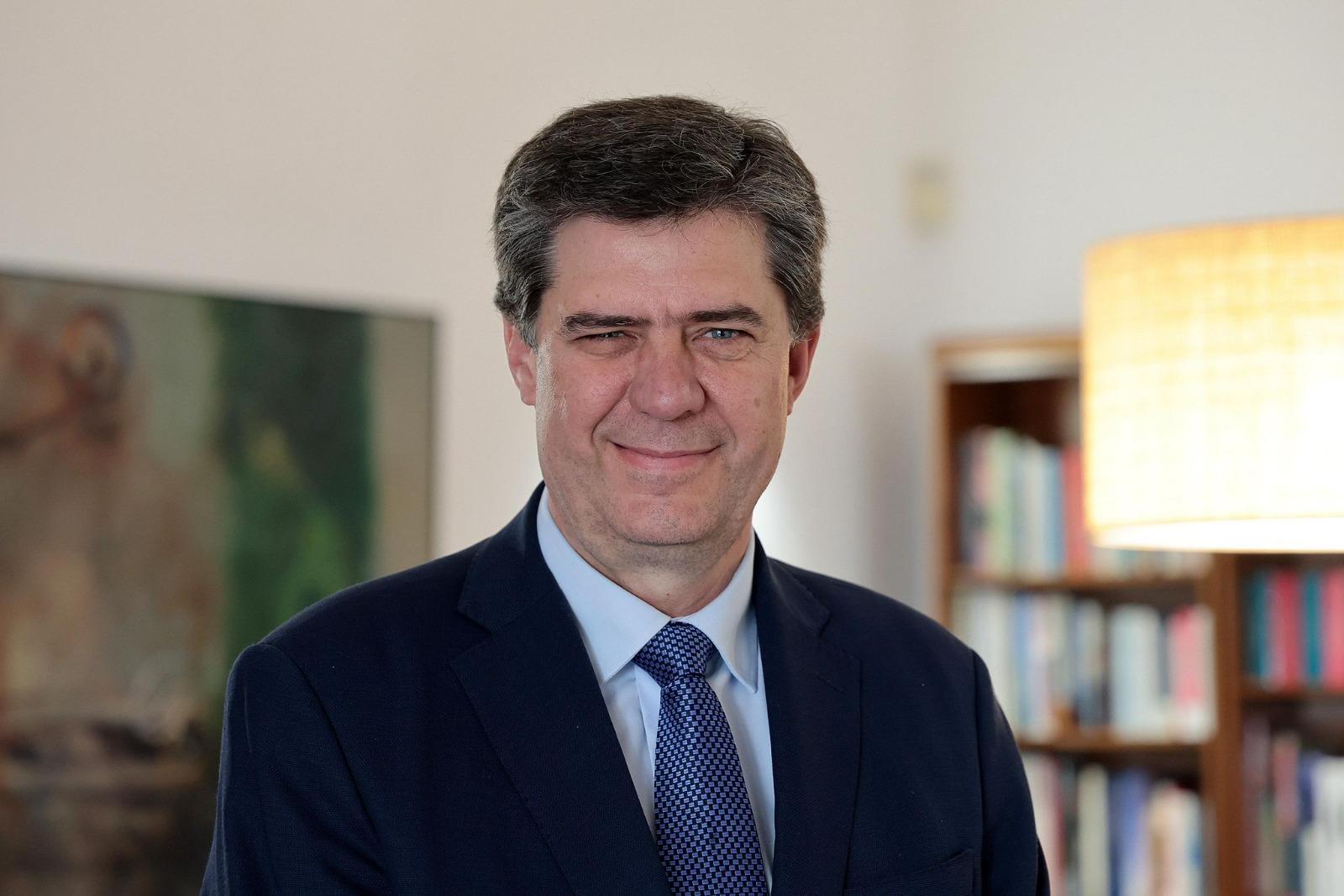
What measures is the Balearic Islands Government taking in the area of tourism?
The Government of the Balearic Islands is driving a transformation based on rigour, spatial planning and social balance. Our main focus is on the Tourism Containment Decree, through which we have, for the first time, established zero real growth in the number of accommodation places. We have banned the creation of new tourist accommodation units in multi-family buildings throughout the archipelago and have introduced a 1-for-1 exchange system, whereby a new unit can only be created if an existing one is first de-registered.
We are also taking a firm stance against illegal listings, increasing fines of up to 500,000 euros for very serious offences and introducing a legal requirement for digital platforms to share responsibility by mandating that they display the definitive registration number of the accommodation.
Which tourism market niches do you plan to promote?
Our strategic objective is not to increase visitor numbers, but to enhance the value, quality and sustainability of the destination. To this end, we are placing particular emphasis on promoting cultural, heritage, sports and gastronomic tourism. We wish to prioritise raising the profile of what is known as the ‘Part Forana’ (the rural areas and inland villages) in order to achieve genuine territorial cohesion in economic activity.
Through these niches, we are focusing our efforts on a type of traveller who is highly environmentally and culturally aware, and who appreciates the destination beyond the sun-and-beach season, thereby promoting genuine seasonality reduction which is already yielding significant results.
What other tools will you use to put this strategy in place?
Our main tool is the cross-cutting perspective provided by the three core areas of expertise within our Regional Ministry: Tourism, Culture and Sport. We recognise that these three areas cannot be managed in isolation from one another, but must be viewed as a single strategic mechanism.
The culture and sport that define our islands are the greatest source of distinction and prestige for our tourism industry; in turn, tourism must act as the driving force that funds, raises the profile of and revitalises our cultural heritage and sports network. This three-pronged approach serves as the essential guiding principle for all our public policies as we move towards a model that promotes well-being for both visitors and residents alike.
To put this strategy into practice, the key financial management tool is the targeted reinvestment of the Sustainable Tourism Tax (ITS). We are returning the revenue directly to the public and the local area: we allocate 6.5 out of every 10 euros collected to the water cycle, the environment, safety and the restoration of historical and cultural heritage in our municipalities.
What figures support this model of tourism?
The Balearic Islands demonstrate exceptional economic strength, which underpins our model of prioritising quality over quantity. The seasonality-adjustment strategy is working: visitor growth is concentrated in the low and mid-season months, resulting in tourist numbers stabilising and even levelling off during the peak summer months.
This moderation in volume has not affected our profitability; on the contrary, total tourist spending and daily revenue per available room (RevPAR) on the islands continue to rise. This shows that it is possible to generate greater economic value and create more jobs by limiting the number of tourist accommodation places on the market.
How is public-private partnership developing in the industry?
It is, quite simply, the driving force that makes our destinations unique. The Balearic Islands boast the leading hotel and holiday services business network in the world. This Government maintains constant, fluid and transparent dialogue with the private sector, working hand in hand with hotel federations and social partners on major strategic decisions.
A clear example of this shared success is the recent signing of the Memorandum of Understanding (MOU) on cruise ships.
What other issues do you consider important to bear in mind?
We consider the promotion of civic-minded and responsible tourism to be non-negotiable; the civic-minded behaviour of those who visit us is a red line that cannot be crossed if we are to safeguard the well-being of local residents.
How did your participation in the latest edition of FITUR contribute to the development of tourism in the Balearic Islands, and what are your expectations for FITUR 2027?
Our participation in FITUR 2026 was a turning point. It has served as a showcase through which the Balearic Islands firmly presented their new model for social stability and balance.
Looking ahead to FITUR 2027, our aim is to continue leading the way in genuine sustainable tourism in the Mediterranean. We will be looking to consolidate the marketing of our seasonally adjusted offering and to present the tangible results of our technology projects applied to the management of tourist destinations.