



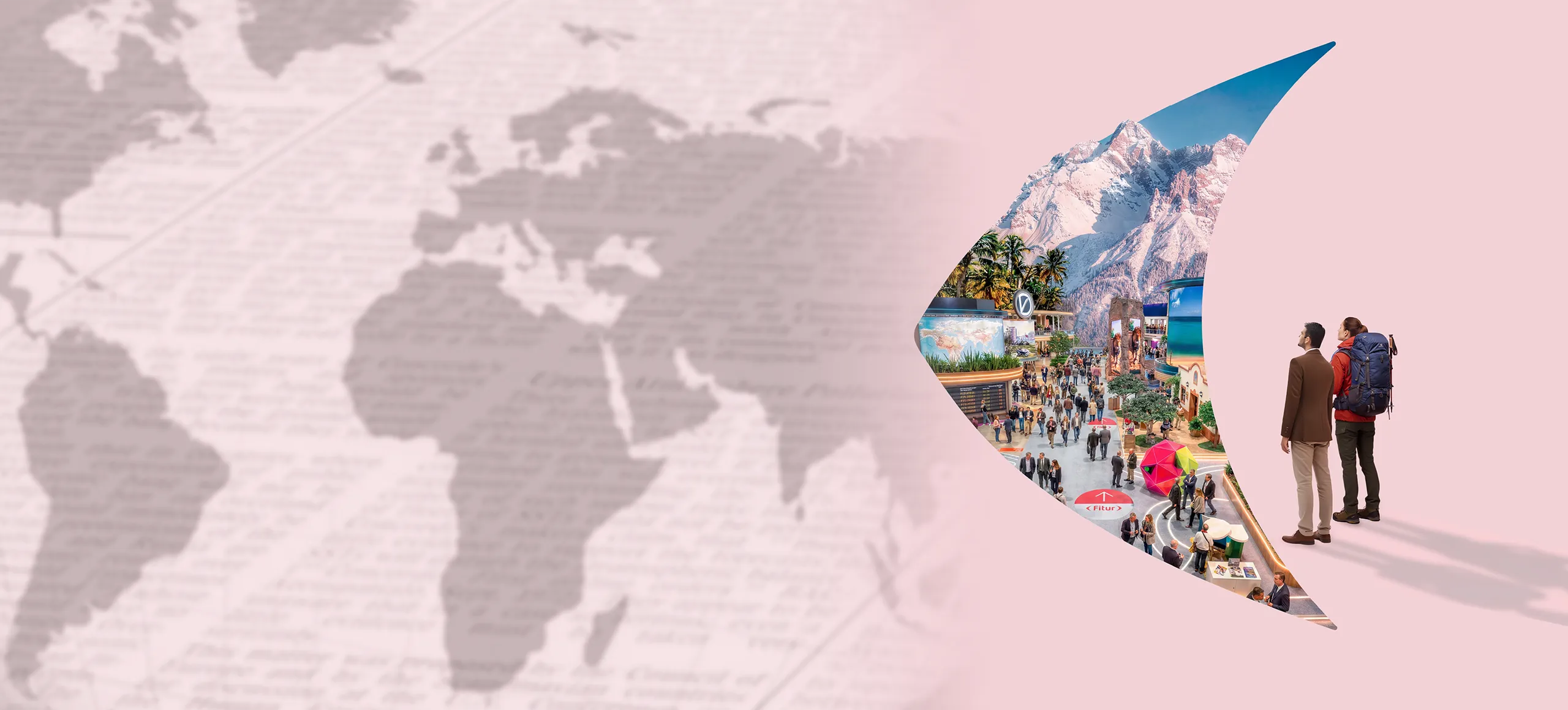
Nigeria is returning to FITUR 2027 with an official stand that will gather together institutions and companies


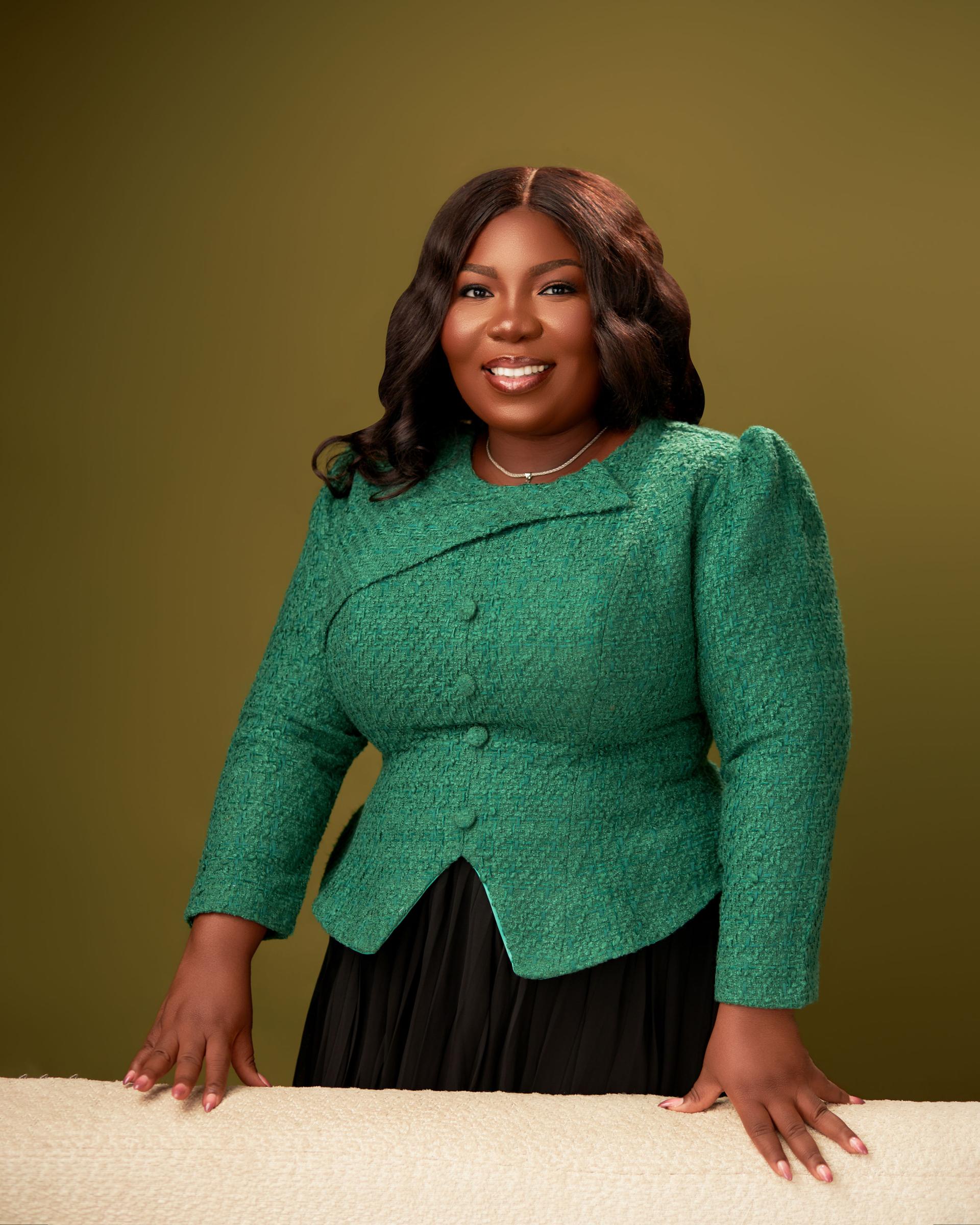
“FITUR occupies a strategic position in the international tourism calendar, particularly due to its access to European, Latin American and global tourism markets,” says Elizabeth Agboola, founder and chief executive of NTT Global Destinations and strategic partner of the Nigerian Tourism Development Authority (NTDA). “For Nigeria, Spain is an important gateway to these markets, and FITUR offers the opportunity to establish direct contact with tour operators, destination management organisations, airlines, investors, hotel groups and institutions.” Nigeria will have an official stand at the trade fair, where it will convene public institutions and private-sector tourism companies.
How important is tourism in Nigeria, and what are the latest industry figures in your country?
Tourism is an increasingly important part of Nigeria’s economic diversification agenda, with considerable potential to create jobs, attract investment, stimulate entrepreneurship and strengthen international economic relations. Nigeria is the most populous country in Africa, with a population of over 230 million, a significant domestic consumer market and an exceptionally diverse range of cultural and natural tourist attractions.
According to the World Travel & Tourism Council, Nigeria’s travel and tourism industry contributed approximately 7.56 billion US dollars to the economy in 2025, demonstrating the industry’s current economic importance and its considerable scope for growth. However, Nigeria’s potential as a tourist destination cannot be judged solely on the basis of current results. Our creative industries – music, film, fashion, gastronomy, festivals, heritage and the growing hospitality sector – present significant tourism development opportunities. The priority now is to translate these advantages into structured tourism products, a more robust international distribution network, improved connectivity and sustained investment.
We are increasingly viewing tourism not merely as a leisure activity, but as an economic tool capable of driving trade, business development, cultural diplomacy and inclusive growth.
What does Nigeria’s participation with an official delegation at FITUR 2027 mean for the country?
Over the years, Nigeria has taken part in international tourism fairs as part of its efforts to raise the profile of its destination on the global stage. FITUR 2027 represents a significant opportunity to promote a more coordinated national presence, bringing together public institutions and private-sector tourism companies under the Official Nigerian Stand.
The initiative is coordinated by the Nigerian Tourism Development Authority, in collaboration with industry partners, and focuses on commercial engagement, international partnerships and destination development. Our aim is to build a consistent and commercially successful presence in the main international tourism markets, rather than treating each trade fair as a one-off promotional exercise.
What factors led you to choose this trade fair, and what are your expectations?
FITUR occupies a strategic position in the international tourism calendar, particularly due to its access to European, Latin American and global tourism markets. For Nigeria, Spain is an important gateway to these markets, and FITUR offers the opportunity to establish direct contact with tour operators, destination management organisations, airlines, investors, hotel groups and tourism organisations. Our involvement is based on three priorities: access to international markets, partnerships with destinations and investment in tourism. We want to raise Nigeria’s profile within international tourism distribution networks, forge relationships that can lead to a tangible influx of visitors, and attract partners interested in developing commercially viable tourism products. We are also particularly keen to strengthen tourism links between Africa, Europe, Latin America and the Caribbean, where cultural and historical ties offer opportunities to create new tourism corridors.
For us, success will not be measured solely by the number of visitors to the stand. We will take into account the quality of business contacts, the partnerships established, the market opportunities identified and the business relationships that continue following the trade fair. Ultimately, our aim is to move from raising the destination’s profile to enhancing its competitiveness.
What attractions and tourism segments will you be showcasing at your stand?
Nigeria offers an extraordinarily diverse range of tourist attractions, combining contemporary African culture with a unique heritage, natural landscapes, urban experiences and business opportunities. At FITUR 2027, we intend to highlight several complementary tourism segments.
On the one hand, cultural and heritage tourism. Nigeria’s rich cultural traditions, its historic monuments, festivals, museums, arts and indigenous experiences offer appealing opportunities for visitors seeking an authentic cultural immersion.
On the other hand, creative and entertainment tourism. Nigeria’s global influence through Afrobeats, Nollywood, fashion, contemporary art and gastronomy provides a solid foundation for attracting culturally curious travellers.
As for business tourism and events, the main commercial hubs, such as Lagos and Abuja, offer opportunities for meetings, conferences, exhibitions, corporate travel and business tourism.
We also offer nature and adventure tourism. From waterfalls and mountainous landscapes to conservation areas and unique natural environments, Nigeria has considerable potential for experiential and nature-based tourism.
Another proposal is diaspora and heritage tourism. Nigeria’s cultural ties with African diaspora communities, particularly in the Americas, the Caribbean and Europe, create opportunities for heritage discovery trips, cultural exchange and meaningful reconnection.
And in the field of religious and faith tourism, Nigeria’s major religious communities and well-established religious events offer opportunities for organised pilgrimages and faith-related travel.
We also aim to highlight the role of Nigerian tourism businesses in developing bookable experiences, accommodation, travel services and destination products that can be introduced to international markets. Our approach is to showcase not only what visitors can experience in Nigeria, but also how international business partners can do business with our country.
How does Nigeria’s tourism industry plan to achieve sustained growth?
One of the most important debates in the tourism industry today is how emerging destinations can move beyond promotion to develop the infrastructure, partnerships and market access needed for sustained growth. Nigeria has an extraordinary cultural influence on the international stage. Our music, our films, our fashion and our creative talent reach audiences across every continent. The opportunity lies in translating that cultural visibility into tourist demand, more enriching experiences for visitors and economic value for the destination. This requires coordinated action across the industries of aviation, hospitality, destination management, investment, tourism skills development and international partnerships.
Nigeria’s participation in FITUR 2027 reflects a commitment to strengthening collaboration between the Government and the private sector, with the Nigerian Tourism Development Authority providing institutional leadership and industry partners contributing their commercial expertise, international networks and market development capabilities. I also believe there is a significant opportunity for deeper cooperation in the tourism industry between Africa, Europe, Latin America and the Caribbean. These regions share historical, cultural and economic ties that could foster new tourism markets and meaningful trade relations. For me, tourism diplomacy is, ultimately, about turning international relations into opportunities for destinations, businesses and communities.
Nigeria doesn’t attend FITUR simply to tell the world what we have. We’re here to explore what we can build together.