



Consumers are driving a new era for ham: better quality, convenient formats and premium experiences


The growth in the pre-sliced format; home consumption, and the search for unique gastronomic experiences are shaping the new market trends.
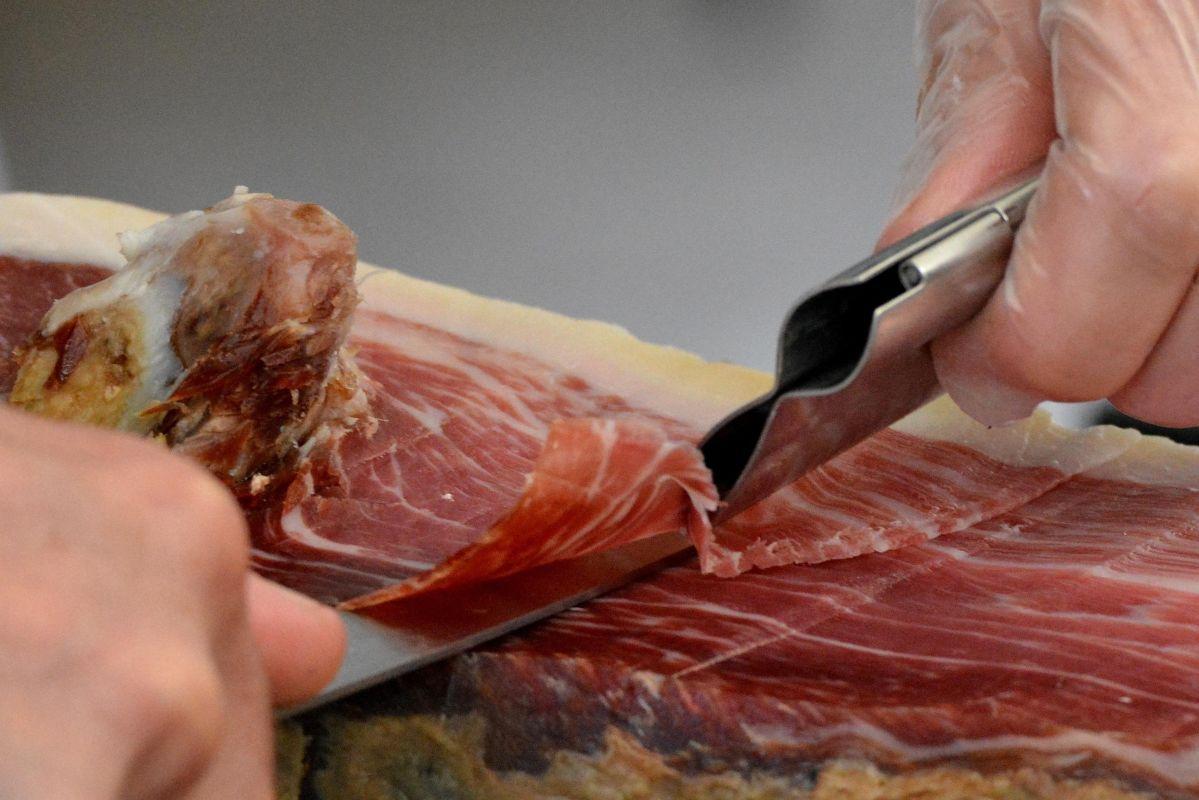
Shifting consumer habits are transforming the ham market and obliging sector companies to adapt their product range to meet new demands. This was highlighted at the 13th World Ham Congress, where experts analysed the social, economic and cultural changes that are redefining consumers’ relationship with this iconic product.
Among the most notable trends is the sustained growth of pre-sliced and ready-to-eat products, a category that meets the needs for convenience and practicality in today’s households. At the same time, domestic consumption continues to grow in importance, establishing itself as one of the sector’s main channels for commercial development.
Experts pointed out that the enjoyment associated with shared consumption remains the main driver of purchases. Against this backdrop, brands are working to emphasise attributes linked to the dining experience, distinctive quality and the product’s origin.
Protected Designations of Origin (PDOs) and Protected Geographical Indications (PGIs) continue to play a vital role as tools for differentiation, by providing guarantees regarding the origin, quality and uniqueness of each product.
The conference also highlighted the growing importance of consumer knowledge. New analytical techniques, including neurophysiological and biometric tools, provide a better understanding of consumer preferences and purchasing behaviour, thereby facilitating the development of products that are more closely aligned with market expectations.
According to experts, the ability to innovate in terms of formats, to communicate a product’s unique selling points effectively and to connect emotionally with consumers will be crucial to maintaining the sector’s competitiveness in the coming years.