




Contact
Press
About Pedro del Hierro
Pedro del Hierro is a Spanish fashion brand with a long tradition in the country’s haute couture scene. Founded by the Madrid based designer of the same name in 1974, it became an exclusive brand of Cortefiel in 1989 and has been owned by the Group since 1992.
ELEGANCE
TRADITION
ARCHITECTURE
CULTURE
ART
Pedro del Hierro at MBFWMadrid
Collection lines
Pedro del Hierro presents its Spring/Summer 2027 collection as part of Mercedes-Benz Fashion Week Madrid, with a runway show at the Invernadero del Palacio de Cristal in Arganzuela on Monday, September 14, at 12:30 p.m., which will open the 84th edition of the fashion week.
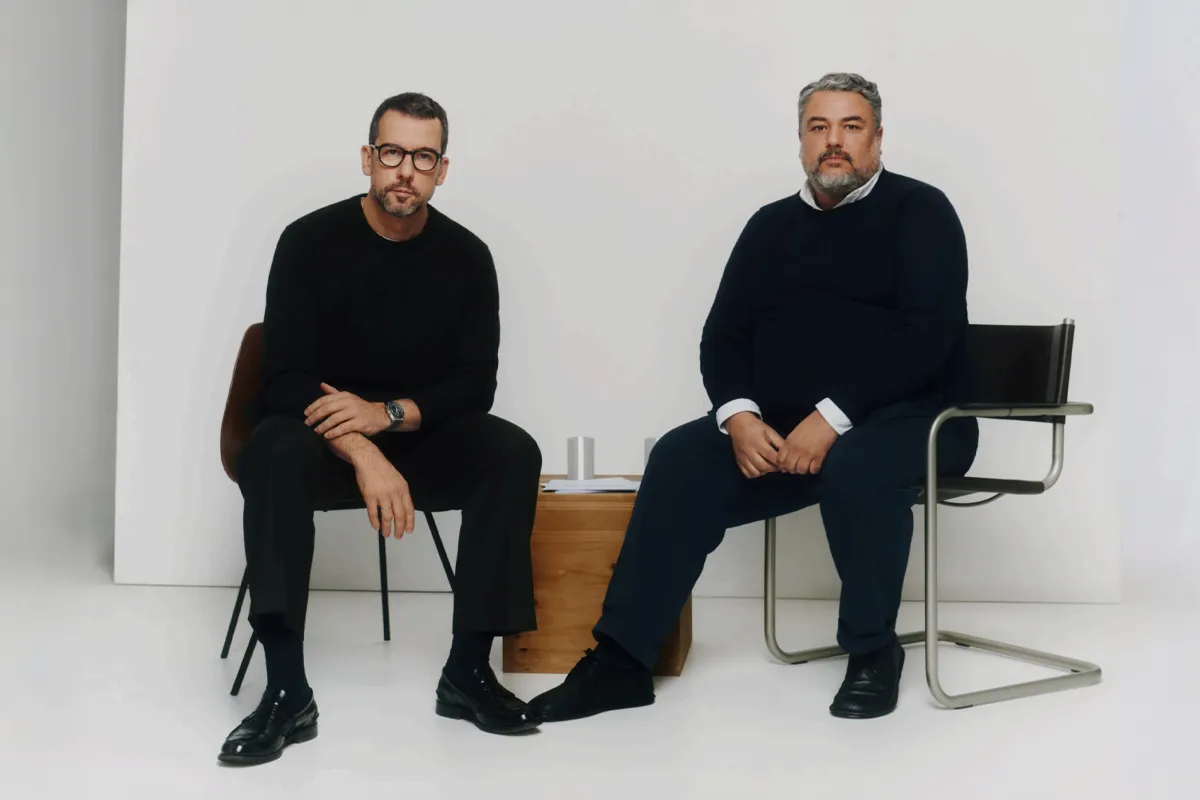
Named HANAMI, the collection takes its inspiration from the Japanese tradition of contemplating the cherry blossoms, seen as a celebration of fleeting beauty, digital disconnection, and time as the true luxury. Building on this premise, the collection evokes a journey through cultural crossroads—particularly between Asia and the West—where contemporary fashion blends with subtle nods to attire from other parts of the world. From this dual imprint we leave on the places we discover—because it is also the one these places leave on us—a new collection is born, which Nacho Aguayo and Álex Miralles, the brand’s creative directors, articulate through a dialogue between tradition and modernity.
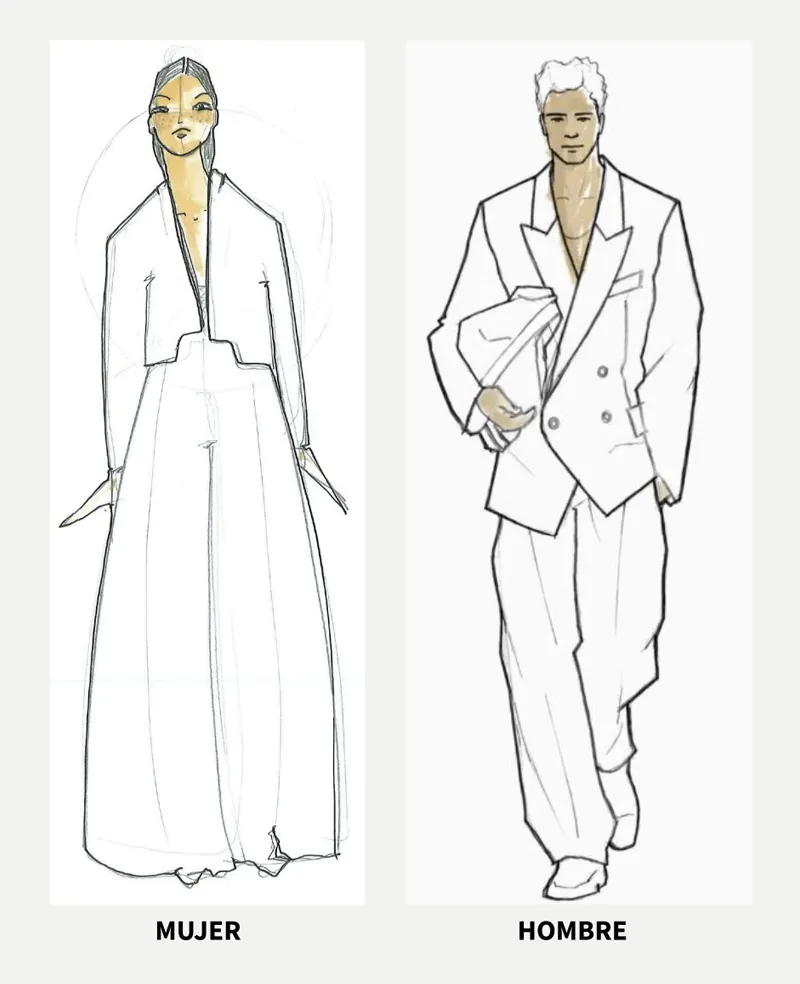
The collection consists of lightweight garments with mao collars, jacquard fabrics, sash belts, and pleats, which come together with cargo pants, structured tailoring, balloon silhouettes, and more technical materials, with an emphasis on movement and fluidity that evoke travel and serve as a common thread between the women’s and men’s lines.
The color palette creates a symphony of contrasts, with a more subdued base and color accents in vibrant shades such as aquamarine, citrus yellow, coral, and bubblegum pink. Likewise, sparkle is also evident in the eveningwear through sequins or woven threads that add light without clashing.
In the women’s collection, the garments subtly nod to Asian influences to strike a balance between modernity and sophistication. Silhouettes are built around volume, draping, knotted details, and loose fits to convey a sense of movement. Cargo pants, mini skirts, and more casual cuts also make an appearance.
Shiny fabrics and jacquards will be a central focus of the collection, alluding to Eastern inspiration in more contemporary pieces. In this sense, contrasting sashes and the manila shawl transformed into a garment also evoke this aesthetic in a subtle way.
In line with the men’s collection, tailoring will feature crossed closures, mao collars, and tang-style silhouettes on jackets—which incorporate ties instead of buttons—paired with bermuda shorts or draped skirts to create a very interesting aesthetic contrast.
Color contrasts will be a constant throughout the collection, combining a more neutral base with citrus, bright, and metallic accents. In terms of accessories, highlights include sculptural steel clutch-style bags and minimalist sandals.
The men’s collection, meanwhile, is characterized by a pursuit of fluidity and sophistication, whether in silhouettes, fabrics, or finishes. Oriental influences will be present, but in a very subtle way. Crinkled and pleated effects, along with materials such as linen, rayon, and washed silk, add texture and a certain artisanal feel to the garments.
Tailoring focuses on cross-over cuts that reimagine the classic kimono, not only in suits but also in the most formal tuxedos. Shirts take center stage this season, with new collars, plackets, and bolder fabrics that call for a new masculinity.
In the same line, knitwear reveals patches of skin through openwork and lace details on sweaters, T-shirts, and polo shirts, adding a subtle folk touch. Shorts in two lengths are another addition to the collection, featured in looks that play with layering using jackets, flowing shirts, and knit T-shirts.
The color palette relies on minimalist and understated shades—petrol blue, black, ecru, and brown—but incorporates bolder colors to enrich the garments and create visual contrasts. We’ll also see some floral and multicolored striped prints that reinforce the collection’s eclectic character. Finally, the footwear features thin soles and narrow lasts—a major trend in recent seasons—as well as sandals, which come in two styles: flipflops and strappy sandals.