




Contact
About ManéMané
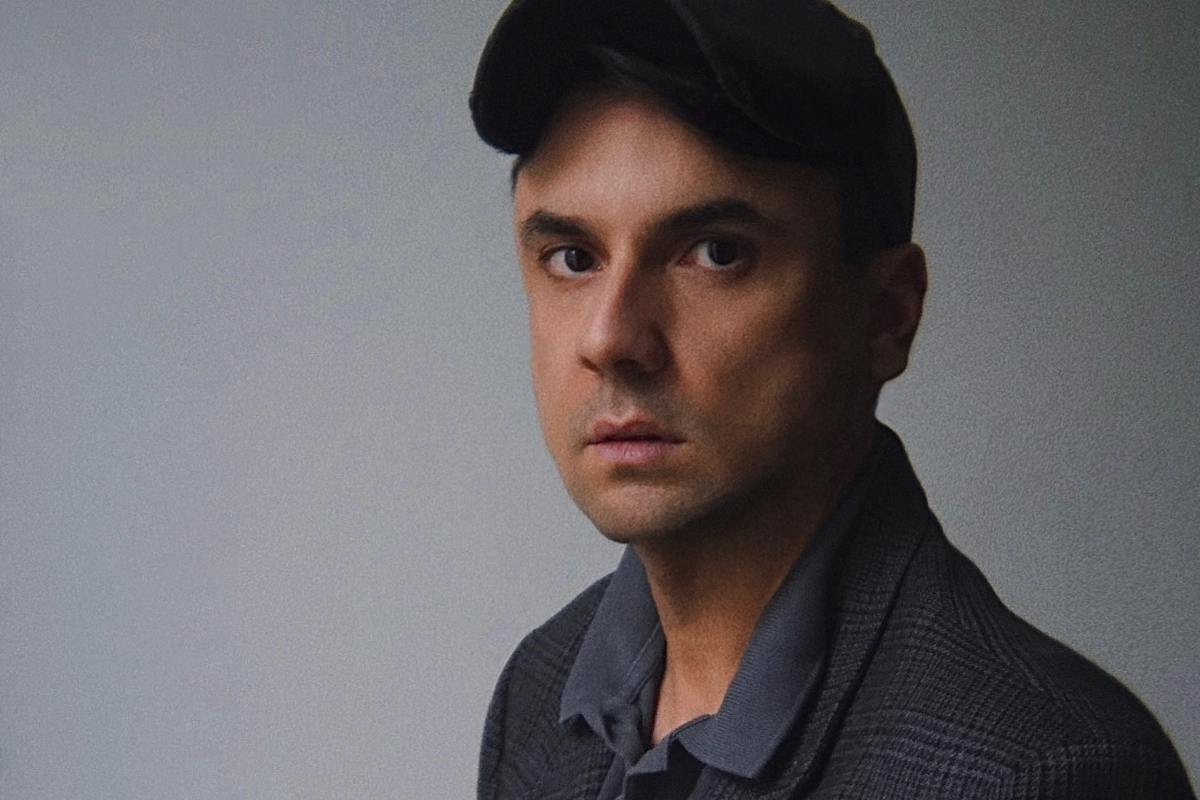
Miguel Becer: The Visionary Architect of MANÉMANÉ
Miguel Becer stands as one of the most transformative figures in contemporary Spanish fashion. As the founder and creative director of MANÉMANÉ, Becer has successfully dismantled the clichés of traditional Iberian aesthetics to build a new, subversive visual language. His work is not merely about clothing; it is an anthropological study of Spanish roots, filtered through the lens of postmodernity, gender fluidity, and high-fashion deconstruction.
Roots and Academic Rigor
Born in Cáceres, Extremadura, Becer’s creative DNA is inextricably linked to the rugged landscapes and rich folklore of Western Spain. Growing up surrounded by the "trajes de vistas" and the austere religious iconography of his homeland, he developed an early fascination with how garments communicate identity and history.
To formalize this passion, Becer moved to Madrid, where he undertook a rigorous academic journey. He studied at the Universidad Complutense de Madrid and the IED (Istituto Europeo di Design). These years were fundamental in shaping his technical prowess. Becer did not just learn to sketch; he learned to engineer garments. His obsession with the "architecture of the cloth" allowed him to master the rules of tailoring before he began his career-defining mission to break them.
Professional Evolution
Before the inception of his own label, Becer sought to understand the industry from the inside. His most significant formative experience was at the house of Amaya Arzuaga. Working under Arzuaga, a designer known for her structural complexity and international presence, Becer honed his skills in avant-garde knitwear and large-scale production. This period was crucial; it taught him that avant-garde design must be backed by impeccable craftsmanship to survive in a competitive global market. He emerged from this apprenticeship not just as a dreamer, but as a technician capable of executing the most complex silhouettes.
The MANÉMANÉ Revolution
In 2012, Becer launched MANÉMANÉ. The brand arrived at a time when Spanish fashion was searching for a fresh identity. Becer provided the answer by embracing "The Deconstruction of Tradition." He took the heavy wools, intricate ribbons, and rigid structures of Extremaduran folk costumes and stripped them of their conservative baggage.
Under his direction, MANÉMANÉ became a laboratory for gender-neutral exploration. He challenged the binary nature of fashion by applying traditionally "feminine" decorative elements to "masculine" structures and vice versa. His collections often feature oversized proportions, experimental textiles, and a playful yet intellectual approach to "kitsch" and "ugly-cool" aesthetics.
Critical Success and "Who’s On Next"
The defining moment of his career occurred in 2015, when Miguel Becer won the prestigious Vogue Who’s On Next award. This prize—the most coveted in Spain—catapulted him into the international spotlight. It provided the platform to showcase his vision at Mercedes-Benz Fashion Week Madrid, where his runway shows became legendary for their cinematic atmosphere and provocative styling.
His influence extended beyond the runway through his accessory lines. Becer’s eyewear and handbags achieved cult status, favored by a digital-native generation that values bold, recognizable branding that still feels artisanal and niche.
Legacy and the "Made in Spain" Ethos
Today, Miguel Becer is a symbol of the "New Spain." He remains fiercely committed to the "Made in Spain" philosophy, working closely with local workshops to preserve traditional techniques while applying them to futuristic designs. His legacy is defined by his ability to prove that the most local, specific cultural references can become a universal language of cool. Becer continues to lead MANÉMANÉ as a brand that is intellectually demanding, visually arresting, and deeply human, ensuring that the future of Spanish fashion remains as bold as its past.
ManéMané at Mercedes-Benz Fashion Week Madrid

Collection lines
MANÉMANÉ Fall 2026: The Aesthetics of Weightlessness and the Void
The new proposal by MANÉMANÉ for the upcoming Fall 2026 season emerges as a profound conceptual study on materiality, gravity, and human vulnerability. The central axis articulating this entire project can be summarized in a fundamental and poetic concept: "The instant in which the body ceases to weigh." Through this evocative premise, the brand develops a collection born directly from the tension between opposing elements. It is an exploration of the delicate boundary between the physical body and the surrounding void, the interplay between presence and disappearance, and the constant, dynamic push and pull between dense weight and ethereal suspension.
The Conceptual Framework: Art, Literature, and Cinema
To build this ethereal narrative, MANÉMANÉ relies on a rich, carefully curated amalgam of cultural references that deeply explore lightness, as well as physical and existential emptiness:
- Avant-Garde Photography: The collection is directly inspired by Yves Klein's iconic "Leap into the Void" (1960), fully embracing the artistic invitation to "Come with me into the void." Added to this is the raw vulnerability captured by Francesca Woodman in "The Evanescent" (1975), seeking to recreate that specific, otherworldly sensation of perceiving the physical body as if it were "floating in plasma."
- Existential Narrative: In the literary realm, the project rescues the heavy weight of memory and existence through Milan Kundera's work, The Unbearable Lightness of Being (1984). It serves as a reminder of how "what occurs leaves a mark, and that weight feels like an unbearable burden."
- Cinematic Melancholy: The visual moodboard also draws heavily from the stunning atmosphere of Wong Kar-Wai's film In the Mood for Love (2000), beautifully illustrating relationships and lives that "floated in parallel, without touching completely."
Materiality and Garment Construction
All this philosophical and emotional weight translates into the collection's patterns, silhouettes, and textures through a highly disruptive use of materials. The main intention is to make the viewer perceive a "blurred or semi-transparent body."
- Textile Paradoxes: To achieve this captivating effect, the house works with materials that, despite being inherently rigid, are masterfully manipulated to behave as if they were completely light and fluid. The movement of the garments is key, utilizing overlays, delicate veils, and multiple fine layers that create an optical illusion, making the fabrics seem to disappear as the person walks.
- Lightness: In the design of specific looks, a daring game of structural support is proposed where the traditional logics of clothing are entirely inverted. The collection presents "heavy garments held by light garments." For instance, thick, structured pleated skirts appear to hang exclusively from delicate tulle tops and sheer lingerie.
- Evanescence: As a visual counterpoint, the brand also works intensely with the draping technique. This is materialized by placing "light drapes over heavy garments," enveloping silhouettes with dense, dark, and solid bases beneath fluid, moving layers of contrasting fabrics, providing an undeniable sense of elegant movement.
Footwear: An Alliance of Style
Finally, to elevate the complete styling on the runway, the project confirms that MANÉMANÉ is joining forces with HUNE - crack shoes to collaborate on the new shoes for the collection. This strategic alliance will result in an exclusive, custom-designed footwear line specifically tailored to complement the ethereal aesthetics of the fashion show