




Interview with Eduardo Zamácola, Chairman of ACOTEX


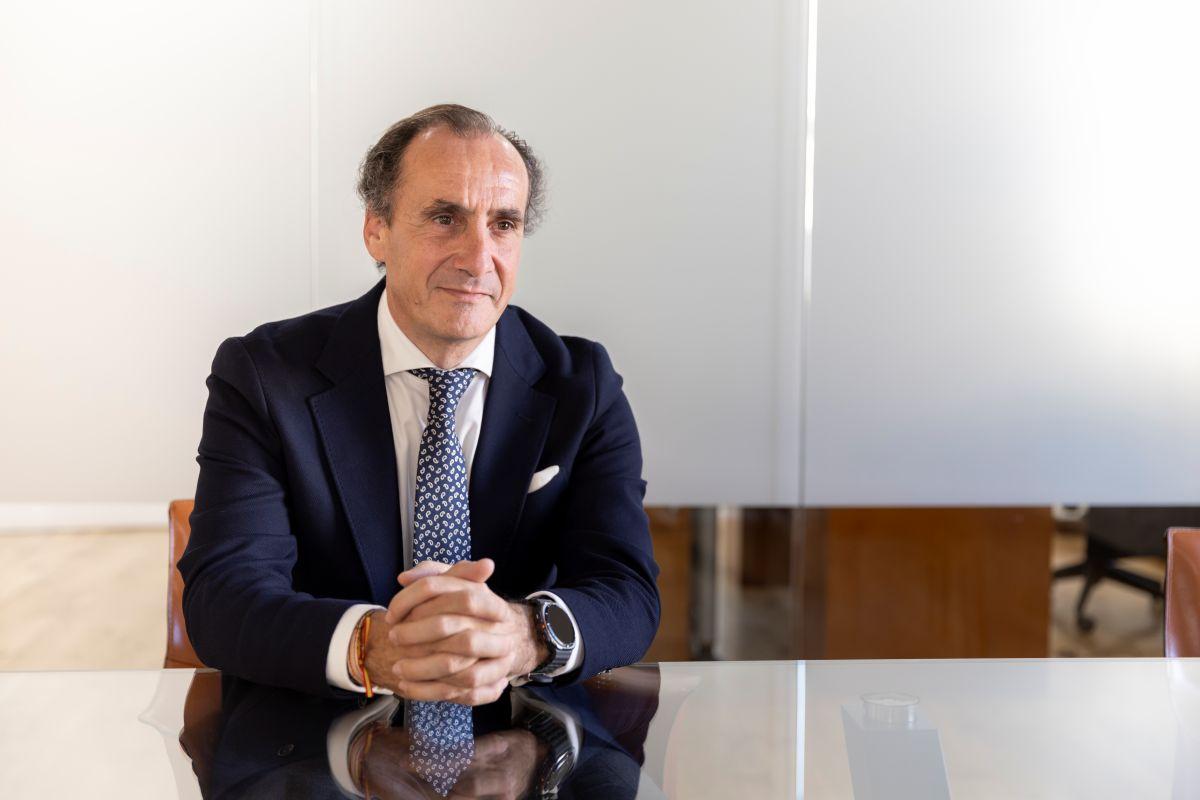
Eduardo Zamácola, Chairman of ACOTEX: "It's more important to make good sales than to sell a lot"
Eduardo Zamácola, the chairman of ACOTEX, stresses that the fashion trade is going through a difficult period, marked by falling sales and changes in consumer habits. In this context, he highlights the importance of differentiation, adaptation and focusing on profit margins as the keys to ensuring the competitiveness of the industry.
1. How would you describe the current retail situation in Spain and what do you think its most pressing concerns are?
We've been in quite a complicated situation for a number of years now. Take into account that in 2020 there was a 40% drop in sales due to the Coronavirus, in 2021 there was an additional 14% decrease, in 2022 there was an increase of 15% (from a much lower base), and since then sales have remained constant, which means we're still 35% down on 2019. On top of this, there has been an increase in costs, leaving the industry in a worrying state.
2. What are the main data or indicators than can help us understand the current situation of the fashion industry?
The economic data are definitive, but we're also aware of changes in consumer habits. Following the pandemic, we're prioritising experiences (eating out, going out for a drink, travelling...) rather than owning things. We also have to take into account the emergence of Chinese platforms selling extra low-cost products, and their popularity, especially among the young.
3. What are retailers' priorities in terms of choosing brands and planning their purchases?
The associated companies I have spoken with have told me that what multibrand shops most appreciate is new and exclusive products with an emphasis on design. It's clear that to stand out in terms of product from the major players you have to offer something they can't. And you also have to offer incredibly special and personal customer service.
4. What can a fair like the upcoming edition of NOMAD in July bring to the fashion trade?
We hope this will be a DIFFERENT edition. The reduction in the number of exhibitors, committing to quality, the presence of prestige bands, the work done to select both exhibitors and potential buyers, and the effort being made in terms of communication all make this edition an exciting proposition that should mark the start of a new direction for MOMAD.
5. What will retailers expect from a professional fair like MOMAD? Have their expectations changed in recent years?
I think that right now their expectations have not changed, and I think that's a good thing. In previous years there were promises of change that never came about, and I trust this revolution we're about to experience will come as a surprise with a positive effect.
6. In this context, what sets retailers that manage to stay competitive apart from those who are finding it difficult to adapt?
For me, the difference lies in the ability to quickly adapt to change. The most agile and flexible retailers, those that focus on these attributes, will be the ones that will remain competitive and have to ability to not only survive but grow.
7. What is the retail outlook for the rest of the year?
By nature, we're optimists. So far, sales have increased by 1.75% with respect to last year. It's not a lot, but it is positive if we take all the various international geopolitical crises into account. This optimistic perspective should indicate an increase in sales of around 4% at year-end. But I always say that it's more important to make good sales than to sell a lot. We have to focus on profit margins!