



Seed as the driving force of modern agriculture: innovation, productivity and the future


Seed is much more than the starting point of any crop: it is the vehicle in which agricultural innovation is concentrated. Within it lies the genetic potential that determines yield, quality, disease resistance and adaptation to changing climatic conditions. Thanks to plant breeding, seeds have evolved from being a basic input to becoming a strategic factor for sustainability and global food security.
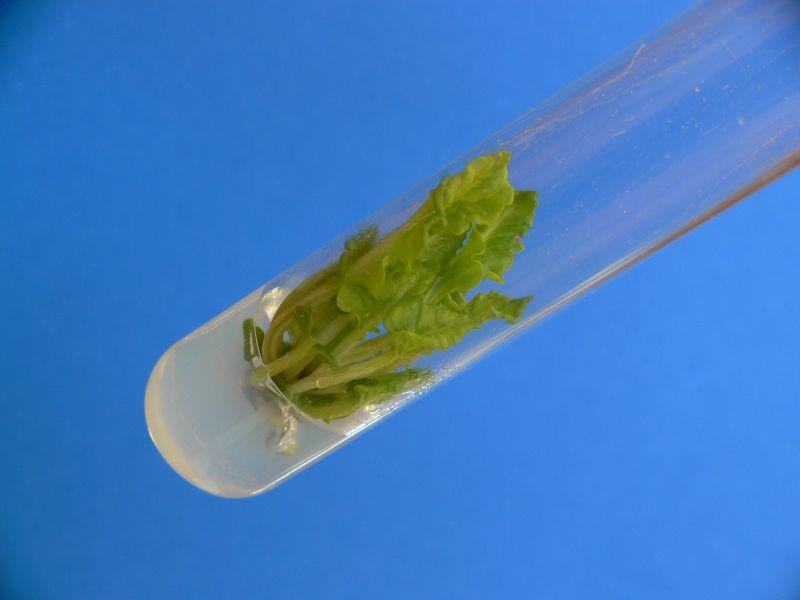
One of the most compelling figures reflecting their importance is that approximately 50% of the increase in global agricultural productivity in the second half of the 20th century is due to plant breeding. This progress has made it possible to produce more food with fewer resources, reducing pressure on soil and water. In a context of population growth and climate change, this role is even more significant.
Plant breeding acts directly on plant characteristics. Through selection, cross-breeding or more advanced techniques, varieties are developed that can resist pests, tolerate drought or make more efficient use of nutrients. This not only increases yields, but also reduces the need for inputs such as crop protection products or fertilisers. In fact, seed is considered the “most influential input in agricultural yield”, as demonstrated by comparative trials between certified and farm-saved seeds, where the former deliver better productive results and greater climate adaptability.
In addition to its productive impact, seed is key to transferring technology to the field. According to FAO, improved seeds are the main vehicle for incorporating biotechnological innovations into agriculture, enabling scientific advances to be directly applied in farming practice. This explains why the seed sector is one of the industries that invests the most in research and development: in Spain, this investment can reach between 14% and 20% of turnover, even surpassing sectors such as pharmaceuticals or technology.
From an economic perspective, plant breeding also generates a significant impact. In Spain, this sector contributes around €1 billion annually to the economy and has contributed more than €16 billion in recent decades, in addition to generating hundreds of thousands of jobs. These figures show that seed is not only essential from an agronomic standpoint, but also as a driver of economic growth and innovation.
The importance of seed is also reflected in its role within the food chain. Although it represents a small share of the total production cost, its impact extends across all stages: from farmers, who achieve higher yields and greater stability, to consumers, who gain access to safer, more diverse and higher-quality food. In this sense, investing in seeds means investing in the entire agri-food system.
On the other hand, preserving the genetic diversity of seeds is a key aspect for the future. Germplasm banks and plant genetic resource centres safeguard thousands of varieties that may be essential for developing crops adapted to new conditions. This biodiversity forms the foundation upon which plant breeding is built and ensures the resilience of the agricultural system in the face of climate or health-related crises.
In conclusion, seed is the invisible pillar that sustains modern agriculture. Thanks to plant breeding, it has become an innovation tool capable of increasing productivity, enhancing sustainability and generating economic value. The coordinated work of organisations such as ANOVE and the many research centres in Spain demonstrates that behind every crop there are years of science, investment and knowledge. Investing in seed improvement is not only a technical matter, but an essential strategy to secure the future of food.