





Innovations in transport and the cold chain for fruit and vegetables: when sustainability starts with temperature


César-Javier Palacios, agri-food journalist When we talk about the importance of sustainability in the food system, we probably think of integrated or organic agricultural production, responsible water consumption or reduced use of plant protection products. However, a decisive part of food’s environmental footprint occurs after harvest. Properly maintaining the temperature of fruit and vegetables during storage, transport and distribution is a key tool for reducing losses by curbing food waste, ensuring optimum product quality for as long as possible without compromising it, and making more efficient use of the resources employed on the long journey from field to table
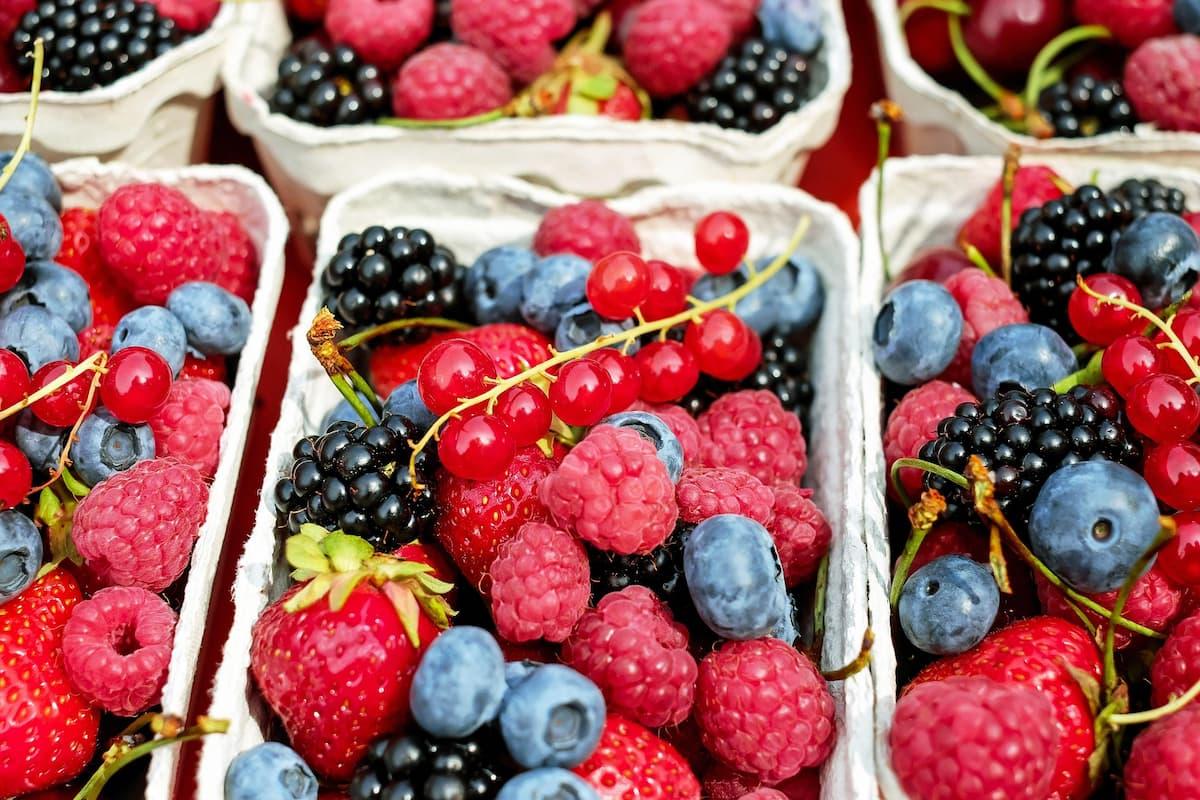
According to the Food and Agriculture Organization of the United Nations (FAO), around 14% of the food produced worldwide is lost between harvest and distribution, before reaching the consumer, especially in perishable products such as fruit and vegetables. These losses represent a waste of water, soil, energy and human labour, much of which can be avoided through the implementation of efficient preservation systems, particularly by maintaining the cold chain. At once simple and complex, this set of processes designed to keep a product within an appropriate temperature range from harvesting to sale helps reduce microorganism activity and delay the natural processes of ripening and deterioration. Because in food, time is money — but above all, it is flavour and quality.
Why better preservation can mean less waste
Fruit and vegetables remain alive after harvesting. They continue to breathe, consume their reserves and evolve until they eventually lose their commercial and nutritional characteristics. This is why proper control of temperature and relative humidity in storage environments significantly extends their shelf life, better preserving texture, flavour, colour and nutritional value.
The first step takes place at the very moment of harvest. The time between picking and arrival at the grading facility is becoming increasingly short. Once there, the first priority is to cool the product. The speed at which field heat is removed is one of the most important factors to consider. A delay in initial cooling can accelerate ripening processes and encourage the appearance of physiological disorders and diseases caused by fungi and bacteria.
For this reason, a well-managed, fast and efficient cold chain, with no temperature fluctuations throughout the process, benefits not only producers and distributors by reducing commercial losses. It also improves the consumer experience, as food arrives fresher and with a longer shelf life, which also represents a considerable saving, since products last much longer in the fridge.
Which innovations reduce losses in fruit and vegetables?
In recent years, the modernisation of fruit and vegetable logistics has incorporated complex and highly efficient technologies capable of improving product preservation while reducing energy consumption and economic losses.
Behind a tomato that reaches the supermarket looking fresh, in perfect condition to buy and enjoy, there is a great deal of research, effort and development. Below are the main techniques used to achieve this:
Efficient pre-cooling
Harvesting under a blazing sun is demanding, but storing warmed products directly without cooling them first can jeopardise the entire crop. Their ambient temperature must first be reduced. Pre-cooling consists of rapidly removing the heat accumulated by products in the field immediately after harvest. Different technologies are available depending on the crop, including forced-air cooling, hydrocooling and vacuum cooling.
Improving these systems through more efficient equipment and more precise process control makes it possible to maintain the optimum temperature with lower energy consumption and less product deterioration.
Solar-powered refrigeration
The incorporation of photovoltaic solar energy into refrigeration facilities represents an increasingly common sustainable alternative, especially in agricultural areas with high solar radiation and limited access to stable electricity grids.
Although refrigeration still requires proper management of energy demand and, in many cases, storage systems or support from other energy sources, combining solar energy and cooling reduces dependence on fossil fuels and lowers emissions associated with food preservation, cutting the carbon footprint and helping to fight climate change.
Active packaging
Active packaging incorporates materials or components capable of interacting with the food or with the atmosphere surrounding it. Key applications include systems that absorb oxygen, regulate the concentration of certain gases or help control humidity, contributing to delays in deterioration processes.
The materials used in active packaging intended for contact with fruit and vegetables are designed to strictly comply with European food safety legislation. Many of these solutions use naturally derived substances, such as certain antioxidant and antimicrobial compounds found in plants, as well as moisture absorbers or gas regulators authorised for food use. Their role is to act on the environment surrounding the product to improve preservation without compromising consumer safety, as they must undergo rigorous assessments of their safety and possible migration into the food.
It is important to bear in mind that these technologies are always used as a complement to proper refrigeration, never as a substitute for the essential cold chain.
Sensors and predictive models
In just a few years, digitalisation has transformed fruit and vegetable transport in remarkable ways. For example, sensors connected through Internet of Things (IoT) technologies can record, in real time and throughout the distribution process, parameters as important as temperature, humidity, vibrations and the location of goods.
These data, combined with mathematical models, algorithms and artificial intelligence tools, help accurately estimate the shelf life of fruit and vegetable products. This makes it possible to make more efficient logistics decisions, such as changing routes, adjusting delivery times or identifying critical points where deviations in storage temperature occur.
Comparison table: efficient cold chain versus deficient cold chain
|
Aspect |
Efficient cold chain |
Deficient cold chain |
|
Temperature |
Remains stable within the recommended range for each product |
Shows temperature fluctuations and breaks |
|
Quality |
Better preserves firmness, flavour, colour and nutritional value |
Accelerates ripening and deterioration |
|
Losses |
Reduces losses during transport and marketing |
Increases rejects and economic losses |
|
Food safety |
Limits the development of many microorganisms |
Increases the risk of proliferation of temperature-sensitive microorganisms |
|
Sustainability |
Makes better use of the resources invested in production |
Generates more food waste and a greater environmental footprint |
Packaging and transport: a partnership to extend shelf life
The preservation of fruit and vegetables does not depend solely on refrigeration. Packaging design and transport conditions form part of a complex but highly efficient combined strategy to protect the product from the field to the point of sale.
Ventilated packaging supports the circulation of cold air around products, preventing areas with different temperatures within the same load. Poor box design can hinder cooling and create hot spots that accelerate deterioration.
Modified atmosphere technology is another widely used tool that recreates inside the packaging an atmosphere as natural as the air we breathe, made up of the same gases but intelligently adjusted in their proportions. By slightly reducing or increasing the amount of oxygen, carbon dioxide and, in some cases, nitrogen, the natural respiration of fruit and vegetables can be slowed, delaying ripening and deterioration. It is a completely safe and healthy system that does not add chemicals to the food, but instead uses controlled surrounding gases to maintain freshness and quality for longer.
Physical product protection is also essential. Impacts, excessive compression or vibrations during transport can cause damage that accelerates water loss, encourages infections and reduces the commercial value of fruit and vegetables.
In addition, humidity control helps minimise dehydration and maintain product texture, although it must be adapted to the specific needs of each species to avoid problems associated with excessive moisture, such as mould development.
Today, most packaging used in fruit and vegetable distribution is designed according to circular economy and recyclability criteria. This means it can be recovered, transformed and reincorporated into new production cycles, reducing waste generation and the consumption of virgin raw materials. Cardboard, recyclable plastics and reusable materials form part of a packaging system increasingly focused on minimising environmental impact, while meeting the food safety and functionality standards required to protect fresh produce during transport.
Basic glossary of cold chain, losses and sustainability
Cold chain: Set of operations that keep a food product within ideal temperature conditions from production to consumption.
Break in the cold chain: Interruption or alteration of the appropriate temperature conditions that a food product must maintain during storage, transport or distribution. Avoiding these fluctuations is essential to preserve the quality, freshness and safety of products until they reach the consumer.
Loss: Loss of quantity or quality of a food product during handling, storage, transport or marketing.
Pre-cooling: Rapid reduction of the temperature of fruit and vegetables after harvesting to slow deterioration.
Modified atmosphere: Packaging technology that alters the composition of the gases surrounding the product to extend its preservation.
Shelf life: Period during which a food product maintains optimum quality and safety conditions when stored correctly.
Frequently asked questions about sustainable cold chain
How does the cold chain help reduce waste?
Maintaining the right temperature slows the natural ageing processes of fruit and vegetables and reduces the appearance of alterations that force products to be withdrawn before consumption.
What is the relationship between packaging and preservation?
Packaging protects the product from mechanical damage, helps control humidity, supports proper cold air circulation and, in some cases, regulates the composition of the atmosphere around the food.
Which transport innovations are most relevant?
The most notable advances include monitoring through sensors, digital temperature tracking systems, AI-based predictive shelf-life models, more efficient refrigeration equipment and the growing use of renewable energy to power refrigeration facilities.
How can we measure whether the cold chain is working well?
Its effectiveness is assessed by continuously monitoring parameters such as temperature, humidity and exposure time, as well as by analysing product quality indicators, loss rates and commercial claims.
In summary...
The cold chain has become a fundamental strategic element in building a more sustainable agri-food system. Better preservation means making better use of every litre of water used in cultivation, every kilowatt of energy used in production and every hour of work invested by farmers and companies.
More efficient preservation not only allows fruit and vegetables to reach consumers with the same appearance, flavour, texture and nutritional value for longer. It also reduces losses throughout the supply chain, prevents perfectly usable products from being wasted and improves the efficiency of the entire system. Fewer losses mean lower costs associated with rejects and better resource optimisation, which can help maintain more competitive prices and turn sustainability into a tangible benefit for consumers’ wallets too.
Because the challenge of the future is not only to produce more food, but to preserve more intelligently the food we are already capable of producing to an excellent standard.