





Traceability, a fundamental pillar for the growth of the sector


Traceability has become one of the pillars underpinning the development of modern, competitive and sustainable agriculture. In a context where consumers are increasingly demanding transparency, public authorities are strengthening controls, and the agri-food sector faces significant competitiveness challenges, having systems that make it possible to know the origin and journey of agricultural products is essential.
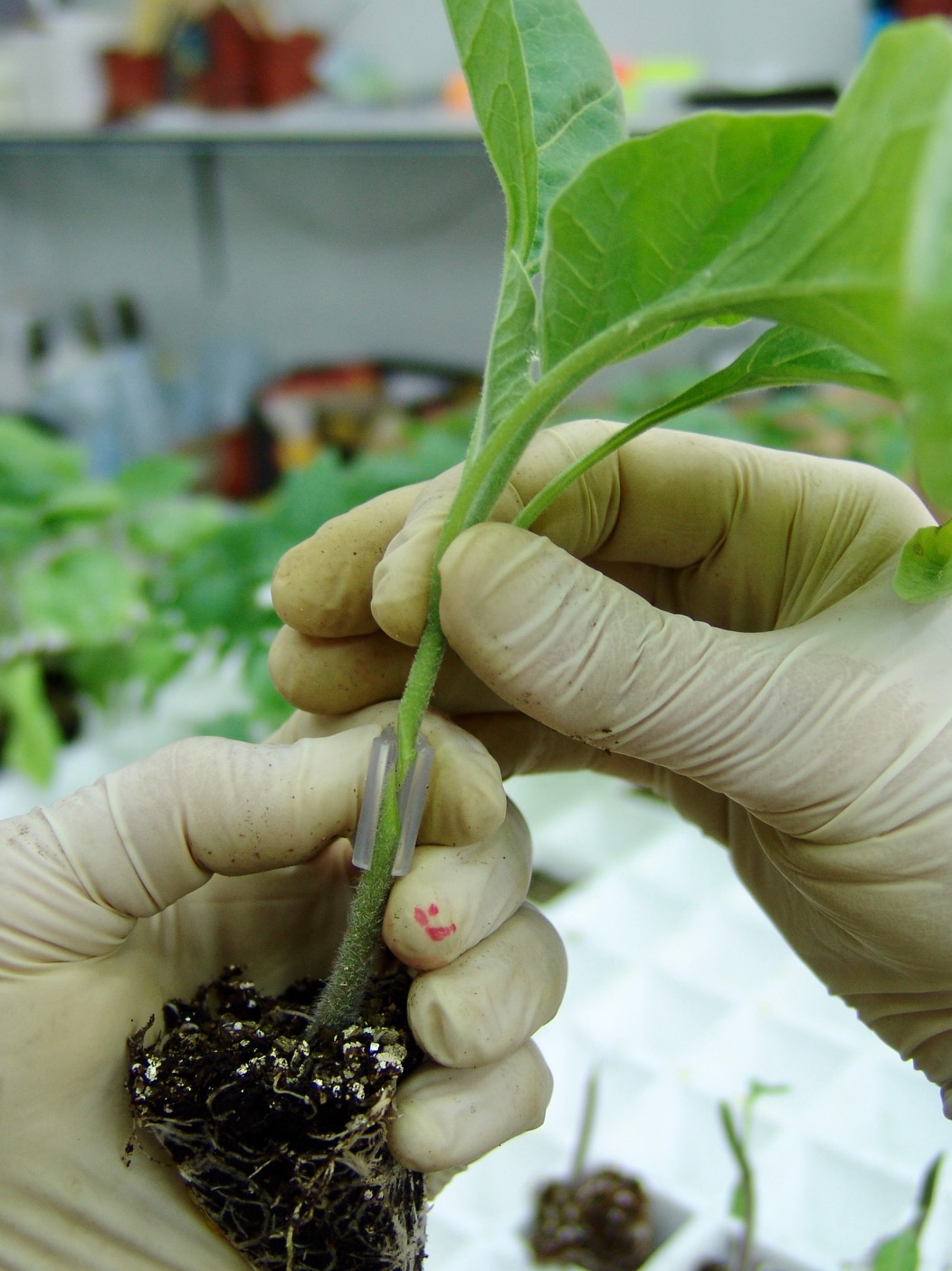
At ANOVE, we believe that traceability should not be understood solely as a regulatory obligation, but as a strategic tool that adds value to the entire agri-food chain. It helps build trust, protect innovation, improve farm efficiency and strengthen the competitiveness of a sector that plays a key role in both the economy and food security.
Plant breeding represents one of the main drivers of agricultural innovation. Thanks to the research and development carried out by breeding companies, farmers have access to new varieties capable of responding to challenges such as climate change, water scarcity, the emergence of new pests, or the need to produce more with a lower environmental impact. However, for this innovation to reach the field and realise its full potential, a transparent and well-structured market is essential.
In this regard, traceability plays a decisive role. Being able to identify a variety from production through to marketing ensures that the plant material used is authentic, certified and meets all required quality standards. The use of certified seed is one of the clearest examples of how traceability benefits the entire sector. This system guarantees that the seed has been produced under strict official controls, maintains varietal purity and provides farmers with full assurances regarding its genetic, physical and sanitary quality. At the same time, it facilitates the tracking of plant material and contributes to more efficient and safe production.
Traceability also plays a fundamental role in the protection of intellectual property. The development of new varieties requires very significant investments in research, which may extend over more than a decade. Protecting these investments is essential to enable companies to continue innovating and offering solutions tailored to the needs of agriculture.
Traceability systems facilitate the identification of plant material and help combat irregular practices such as the unauthorised multiplication or commercialisation of protected varieties. In this way, fair competition among all operators is ensured, and an environment that encourages innovation and technological development is fostered.
At the same time, digitalisation is opening up new opportunities to strengthen these systems. The use of digital tools, interconnected databases, identification codes and genetic analysis technologies makes it possible to improve accuracy, streamline controls and provide more comprehensive and accessible information to all links in the chain.
These technological solutions not only increase security and transparency, but also reduce administrative costs and facilitate compliance with national and international regulatory requirements—an especially important aspect for a sector with a strong export vocation such as Spain’s.
At ANOVE, we believe that progress towards increasingly robust traceability requires the involvement of all stakeholders in the value chain: breeding companies, seed and plant producers, farmers, nurseries, distributors, the processing industry and public authorities. Only through collaboration will it be possible to consolidate an effective system that generates trust and benefits the entire sector.
Furthermore, traceability directly contributes to addressing one of today’s major challenges: objectively demonstrating the sustainability of production systems. Knowing the origin of plant material, the varieties used and their performance in the field facilitates the collection of valuable data to measure indicators related to the efficient use of water, fertilisers or plant protection products, as well as to advance towards more environmentally friendly production models.
The future of agriculture will be increasingly linked to innovation, digitalisation and transparency. In this scenario, traceability will continue to be an essential element to guarantee quality, protect plant innovation and strengthen the confidence of markets and consumers.
At ANOVE, we are convinced that investing in robust traceability systems not only strengthens the competitiveness of the seed and plant breeding sector, but also contributes to building a more resilient, efficient and future-ready agriculture. because behind every innovative variety there is a significant research effort that deserves to be recognised and protected, and because an agriculture based on trust and knowledge is the best guarantee for ensuring the sustainable growth of the entire sector.