


This was FiturNext 2025
How can tourism contribute to more responsible and efficient water management?
Water is an essential resource for life and plays a crucial role in daily activities, including those related to tourism, such as hotels, restaurants, and recreational activities. Excessive water consumption, overexploitation of aquifers, intensive water stress, and water pollution not only affect local communities but can also be detrimental to ecosystems and the economies of tourism-dependent regions.

Best practices for water sustainability
In this latest edition of FiturNext, the Observatory analyzed more than 300 best tourism practices that contribute to efficient and responsible water management. The winning initiatives of the challenge were:
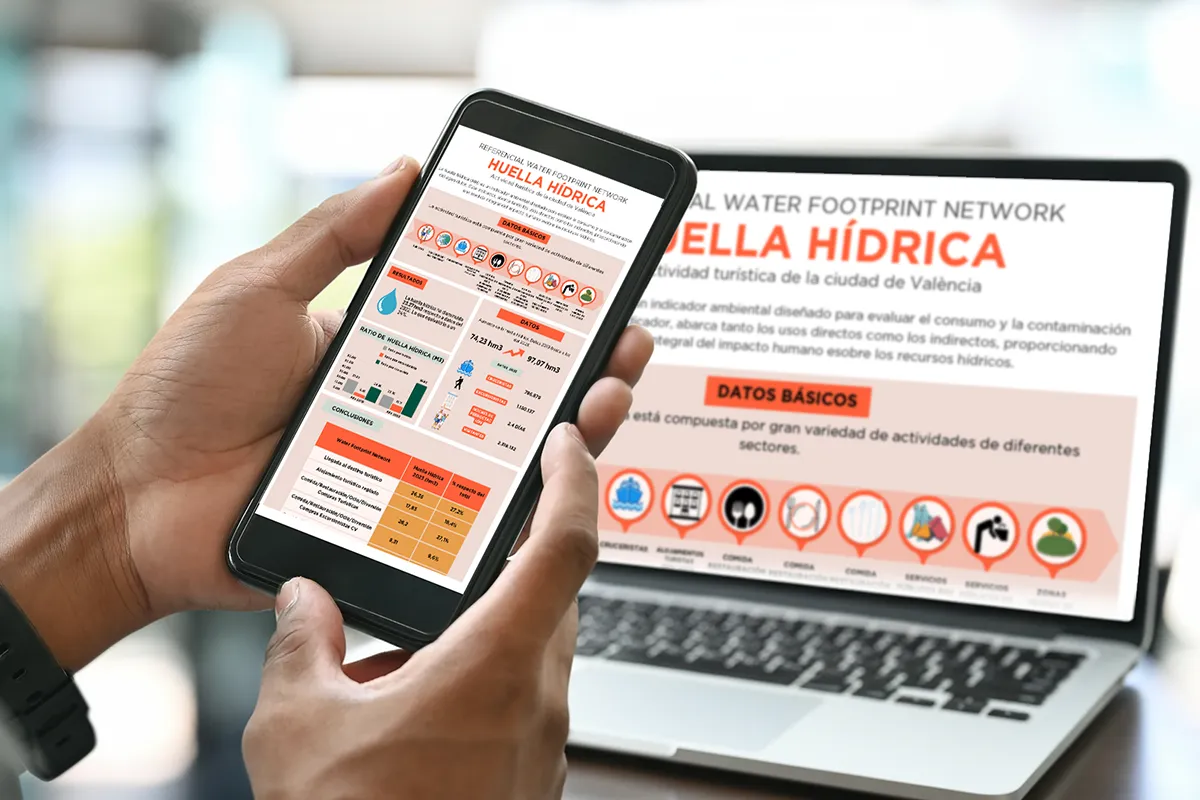
- Visit Valencia: recognized in the Destinations and Other Territories category for its project measuring and certifying the water footprint of tourism in the city. Since 2019, the Visit Valencia Foundation has calculated and published annually the water consumption resulting from tourism activity, analyzing its entire life cycle in collaboration with the Integrated Water Cycle (Cyclo Integral del Agua) and the local tourism sector. Based on this data, the organization promotes efficiency and digitalization measures to optimize water use in hotels, shops, and tourist services. Thanks to this strategy, the city has achieved a water efficiency rate of 95%, positioning it as an international benchmark for sustainable water management in tourist destinations.
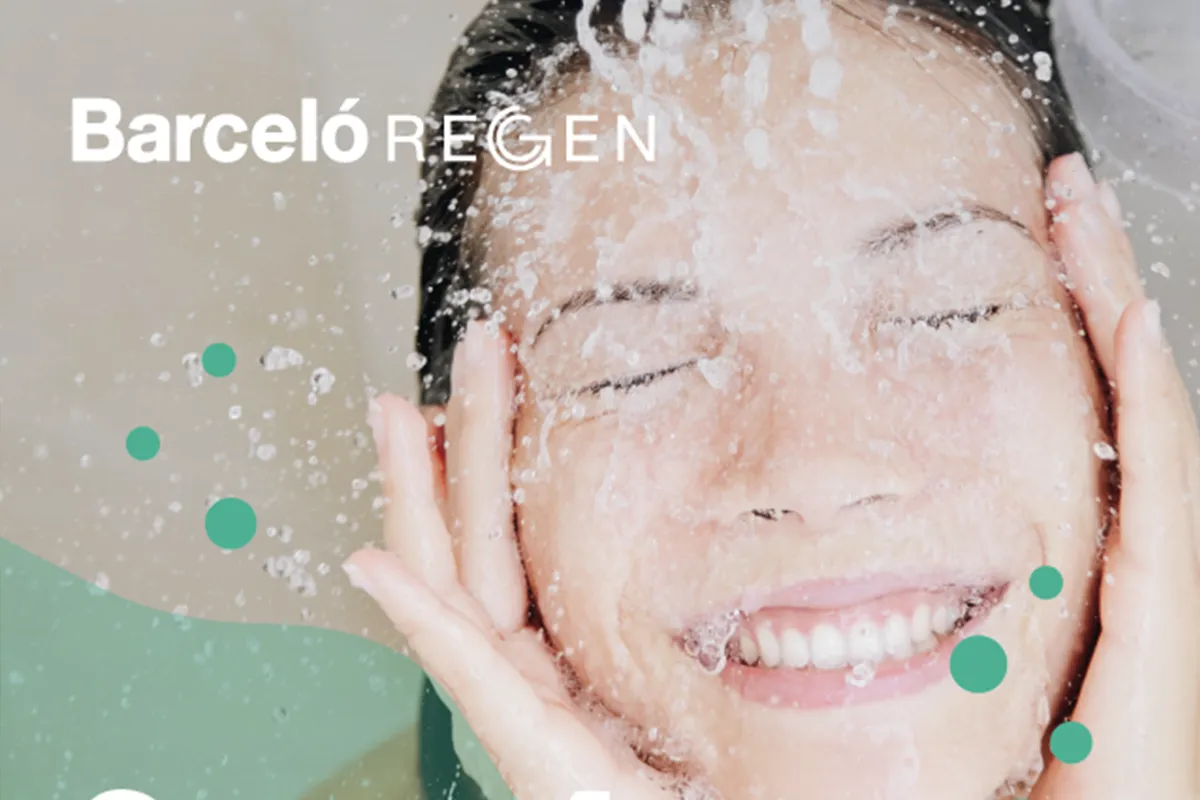
- The Barceló Group, awarded in the HORECA and transport sector categories, has developed the Barceló Regen initiative, with water as its central focus, to advance towards regenerative tourism and promote local economies. Key actions include the installation of water-saving devices and continuous consumption monitoring; The adaptation of green spaces with native, low-water-consumption species, or the Songs 4 Showering campaign, which features a Spotify playlist of four-minute songs to encourage shorter showers, as recommended by the WHO. In 2024, the company invested in water improvements in more than 80% of its hotels, incorporating flow restrictors, sensors, reuse systems, and pool optimization.
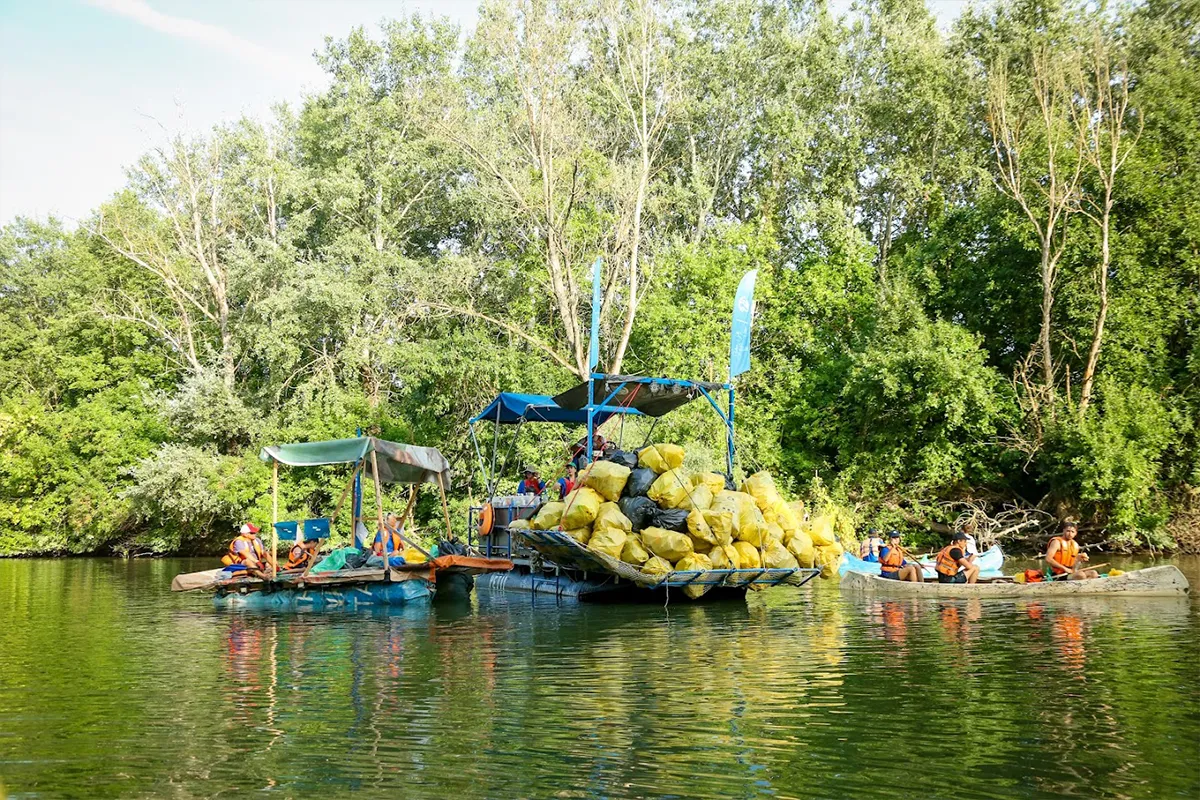
- Plastic Cup: has been awarded in the Other Water Value Chain category for its innovative participatory river and floodplain cleanup model. The initiative transforms river cleanup into a collective tourism experience where different teams compete to collect and sort the most waste while navigating in boats made from recycled bottles. This action has removed more than 400 tons of river trash and recycled more than 200 tons, in addition to promoting environmental education, regenerative tourism, and citizen participation.
Why is this challenge important?
The FiturNext 2025 Challenge focused on the responsible and efficient management of water in tourism, and how the sector can contribute to improving it.
According to UN Tourism, tourism can play a crucial role in achieving access to water and water security, as well as hygiene, sanitation, and health for all. The efficient use of water in the tourism sector, combined with appropriate safety measures, wastewater management, pollution control, and technological efficiency, can be key to safeguarding one of our most precious resources.
In the tourism sector, the challenges are even greater. While in Europe, the average citizen consumes 128 liters per day, a tourist's consumption can range from 450 to 800 liters daily. This high consumption can generate tensions with local communities. However, increasingly, new best practices are emerging as a key tool for efficiently managing water resources, in a context of growing concern about climate change and tourism pressure.
For all these reasons, the FiturNext Observatory launched the 2026 challenge in harmony with Sustainable Development Goals 1, 3, 6, 11, 12, 13, 14, 15 and 17 in order to find good tourism practices that contribute to the efficient and sustainable management of water in the tourism sector.
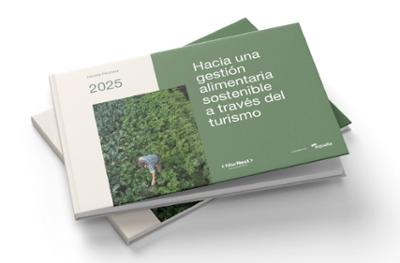
Download our report
Read the report ‘FiturNext 2026: Towards a more sustainable and responsible water management through tourism’ and see all the details of the sixth edition.
FiturNext 2026 Challenge: How can tourism contribute to more responsible and efficient water management?
Winners
Finalists
Aliança per l´agua
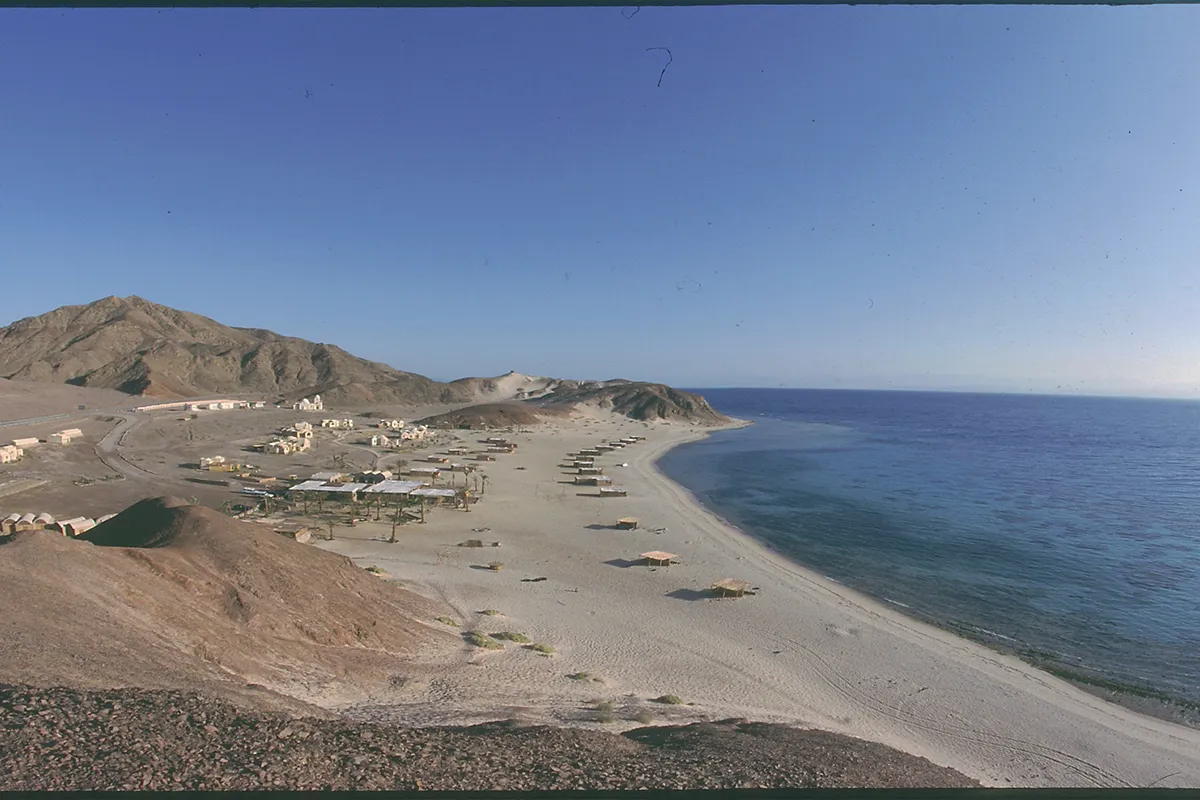
Basata Ecolodge
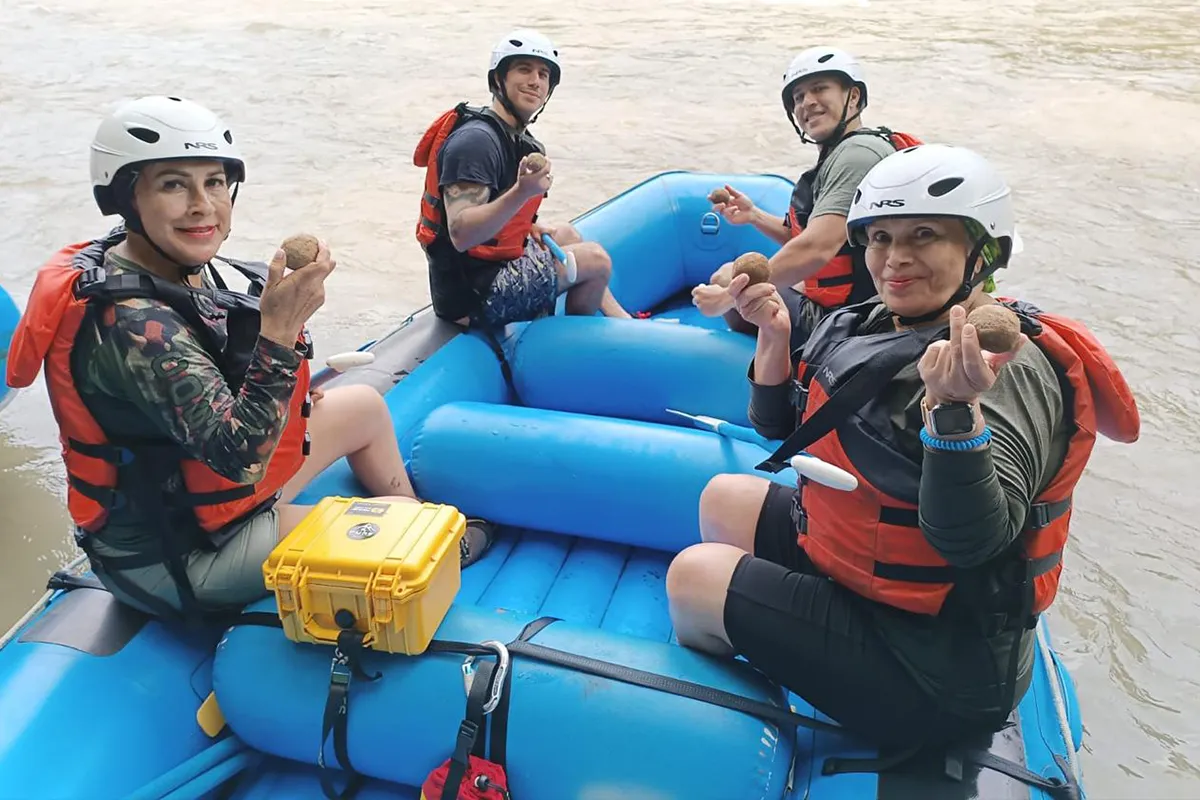
Böëna Lodges
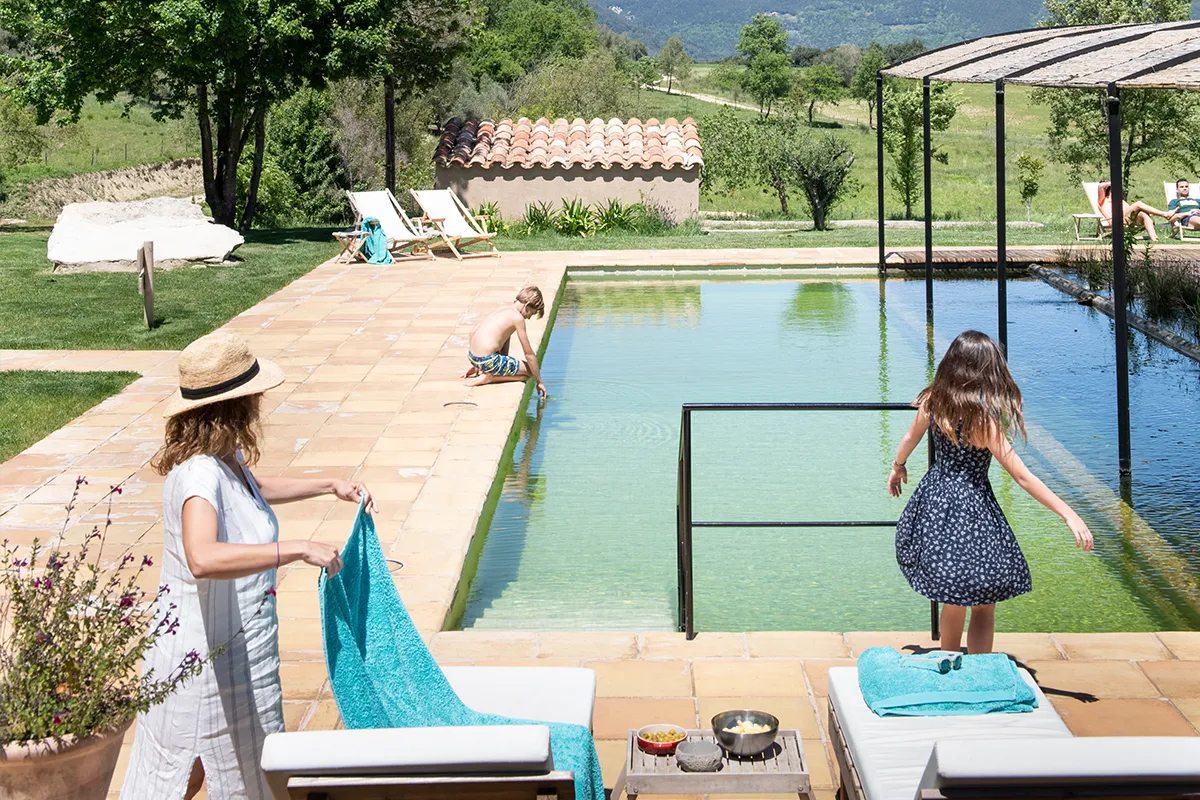
Can Buch
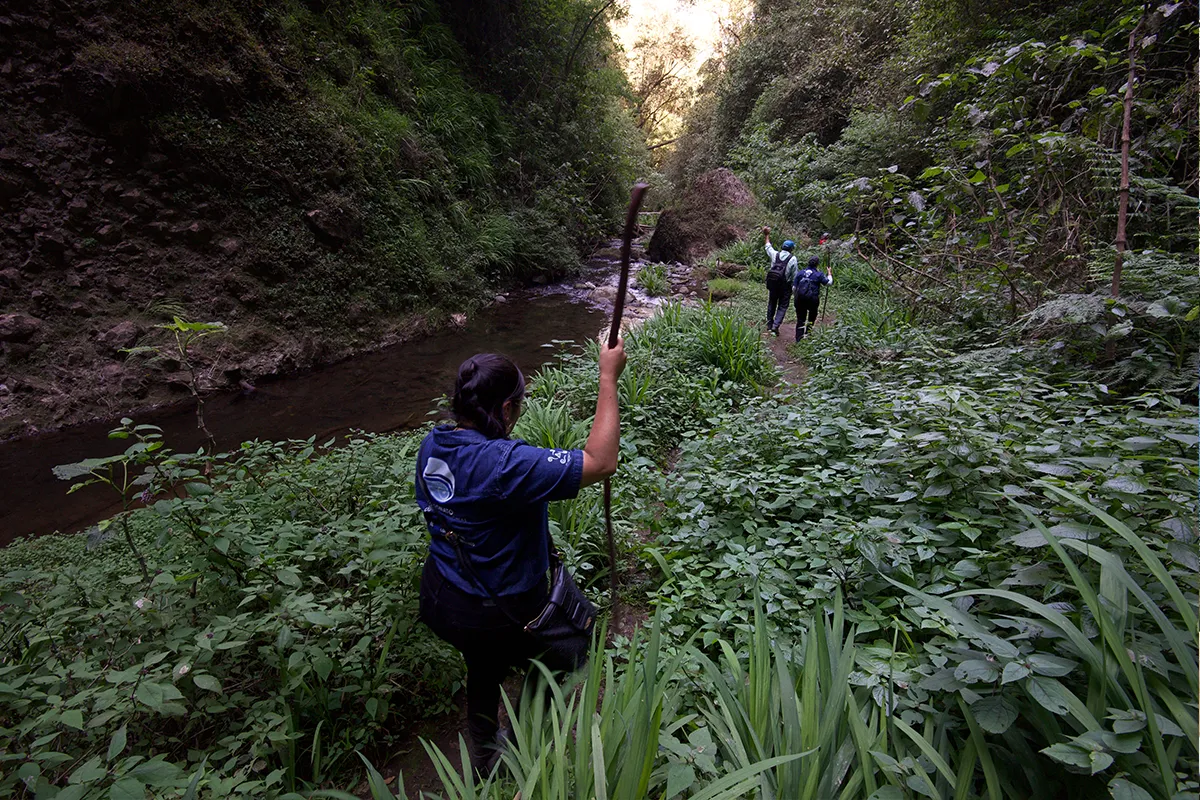
Tourist construction companies
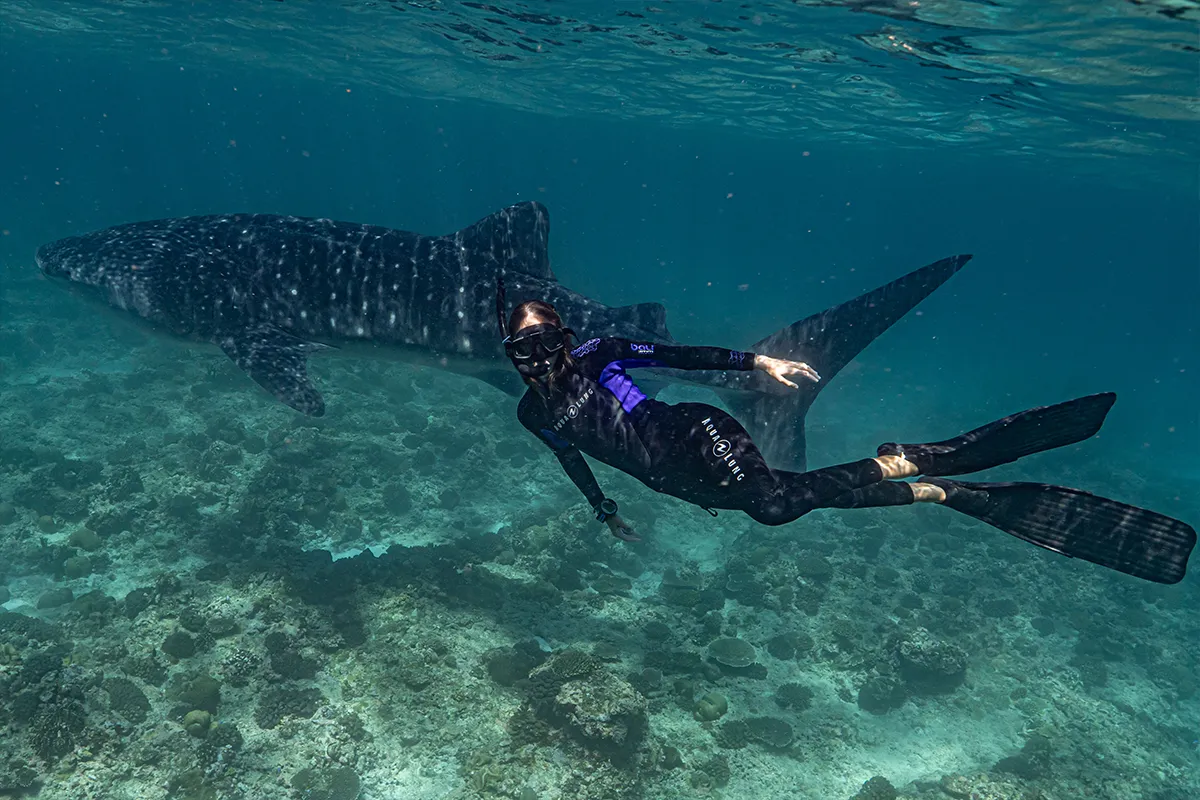
Indico´s Secret
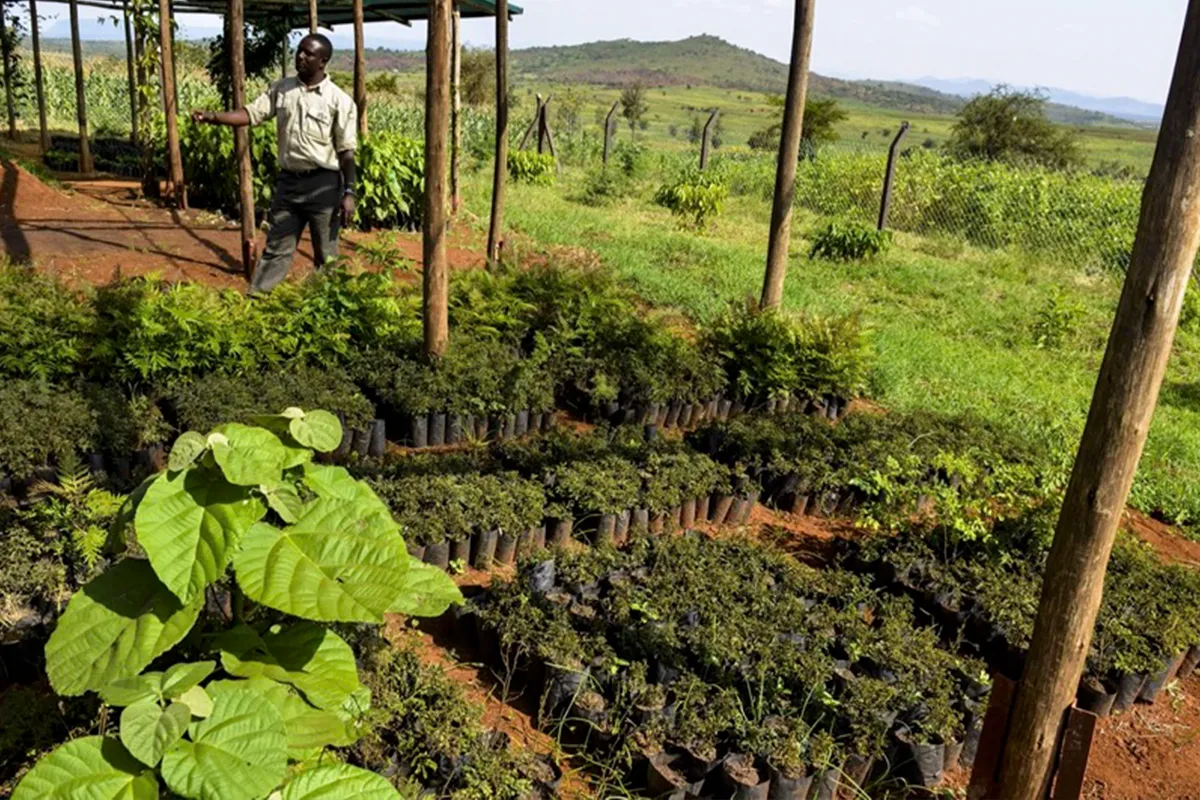
Tanganyka
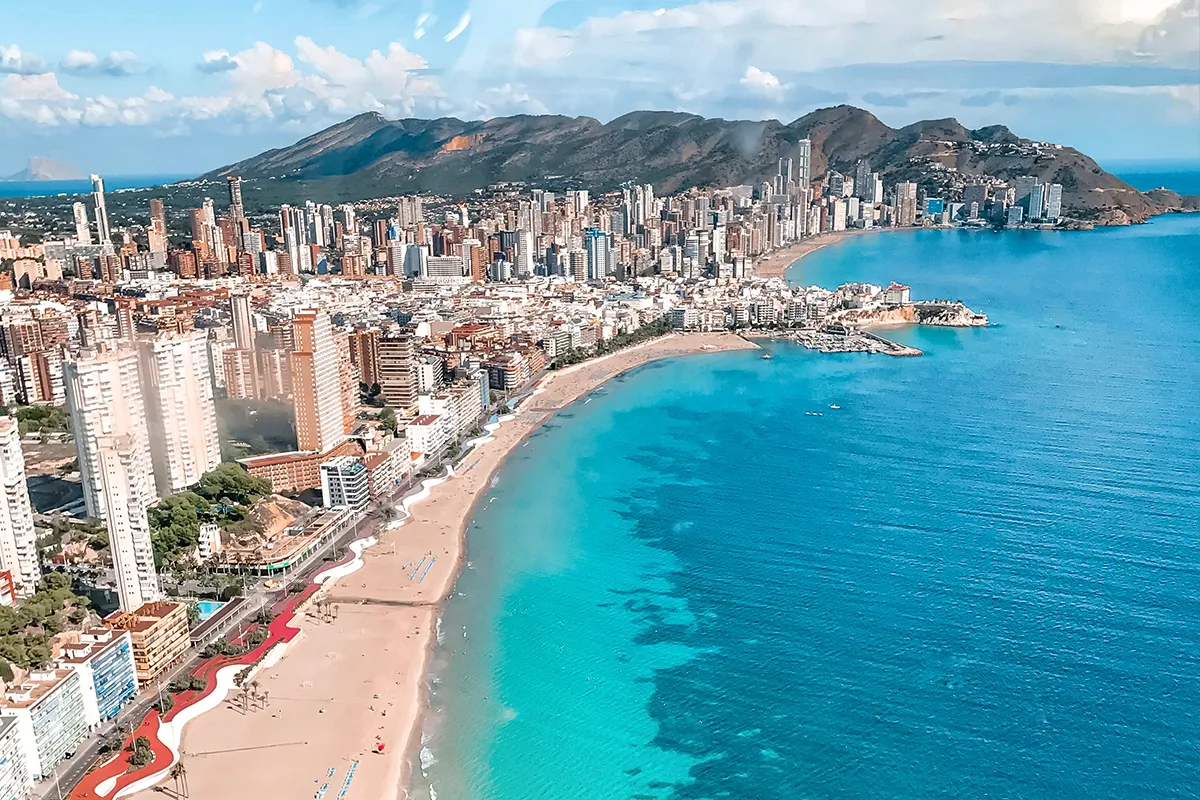
Visit Benidorm
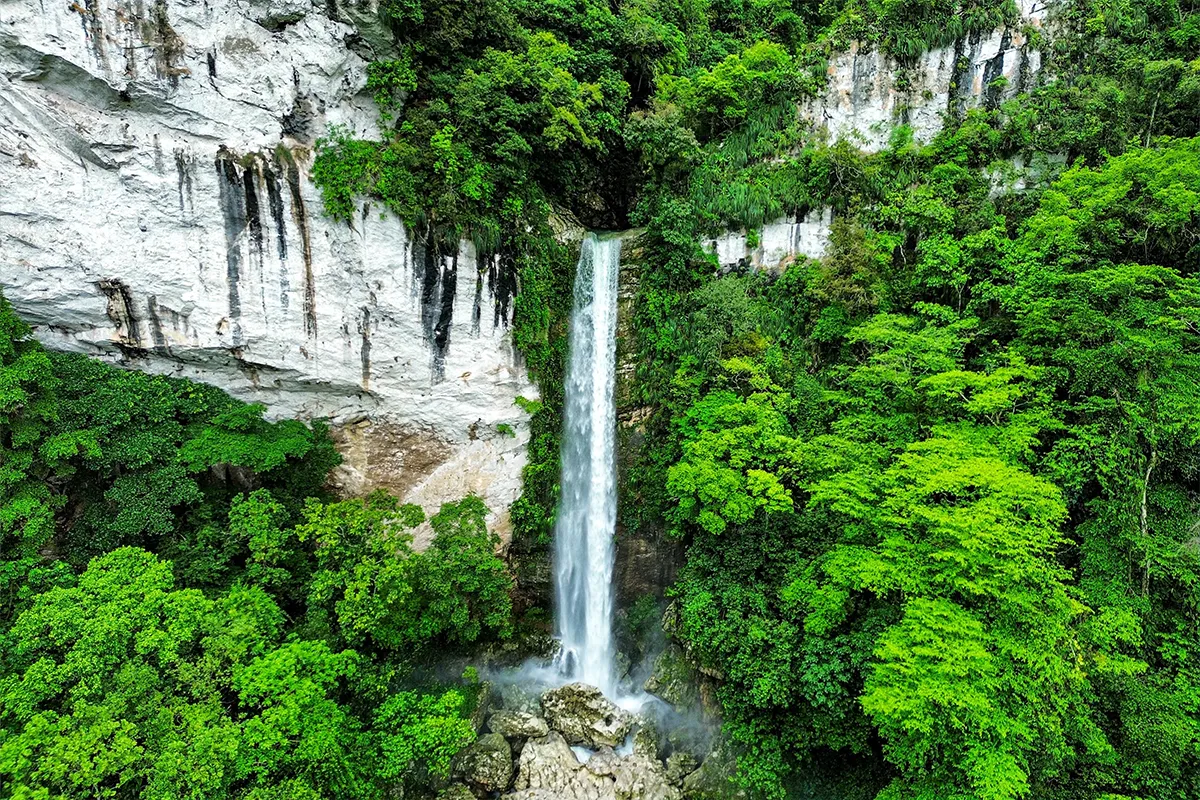
We love waters of Xilitla
Destino FiturNext Podcast: Discover the latest episodes of the positive tourism podcast
FiturNext 2025 Winners Webinar