




The thermal transition requires dimensioned and verified HVAC solutions.


The thermal transition is only sustainable if it is also affordable and protects the most exposed households and groups, according to the latest sectoral observatory from the Spanish Association of Air Conditioning Equipment Manufacturers (AFEC). A just transition “requires prioritising renovation and efficiency in vulnerable housing; effective social energy protection through well-designed access to bonuses and guidance; and dimensioned and verified HVAC solutions that ensure comfort and Indoor Air Quality (IAQ) with controlled consumption”.
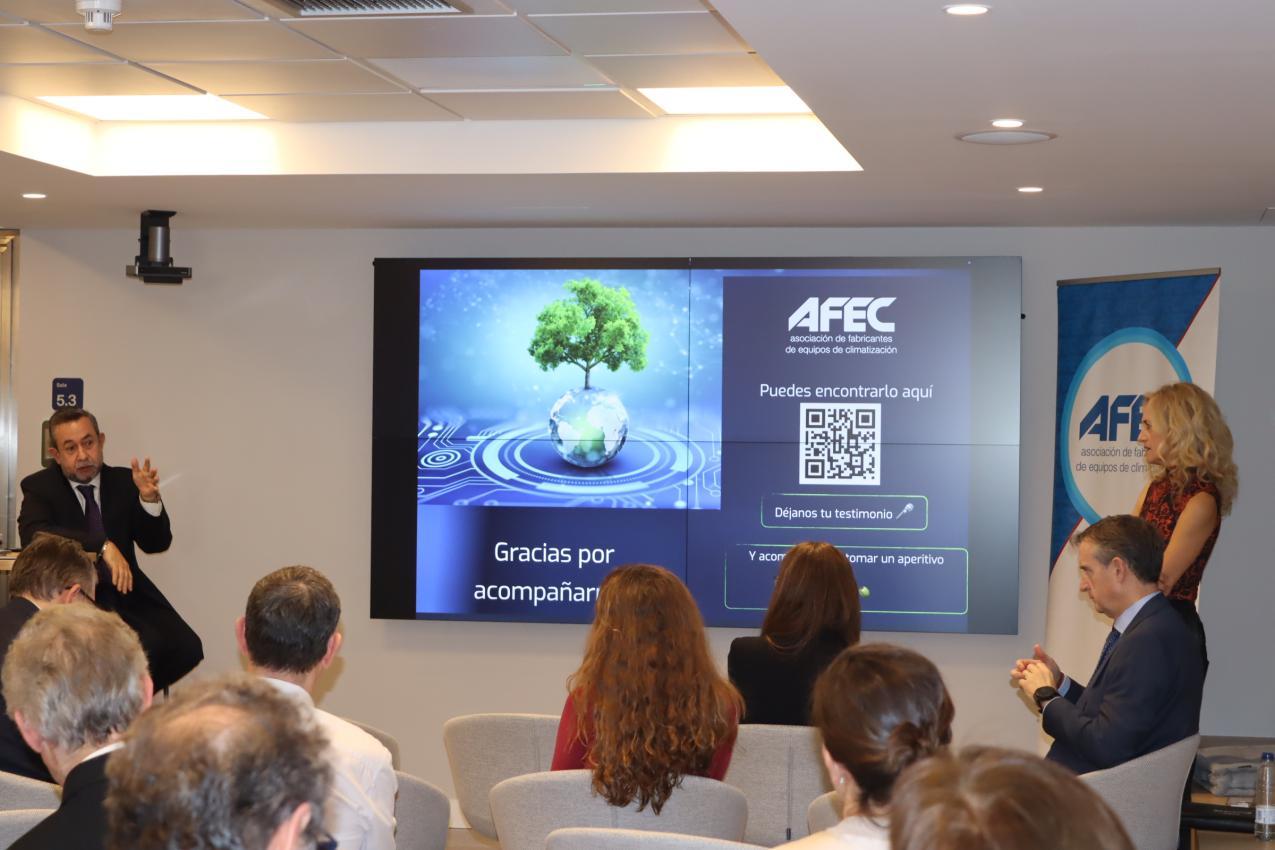
The European Commission defines energy poverty as a situation where a household is forced to reduce energy consumption to a level that harms health and well-being; it links this to three root causes: low income, energy-inefficient housing and a high share of energy expenditure. The AFEC observatory notes that this diagnosis is particularly applicable in Spain for two reinforcing reasons: the building stock suffers from deficits in the building envelope and climatisation systems; and the climate intensifies risks not only in winter but increasingly in summer as well. “The National Strategy Against Energy Poverty 2025 to 2030 (MITECO) takes precisely this broader view of the problem and frames energy vulnerability as a structural issue of equity and health”.
Industry experts explain that the implications for the HVAC (heating, ventilation, and air conditioning) sector involve efficient electrification: “Heat pumps, control systems and properly executed ventilation must be deployed with mechanisms that prevent an adoption gap due to CAPEX and OPEX”. “The critical point is not merely the price of the technology, but the total cost of ownership in vulnerable homes, which depends on building efficiency, the relative price of electricity versus gas, and the design of tariffs and subsidies”.
Priorities
The available sociological evidence shows that vulnerability remains significant and that affordability influences basic energy-related behaviours, such as heating or cooling households less than required, impacting health.
In these circumstances, it is argued that a just transition requires prioritising the following principles: “renovation and energy efficiency in vulnerable housing (the most structural measure, as it reduces demand); social energy protection through effective design and access, such as bonuses and guidance; and dimensioned and verified HVAC solutions that ensure comfort and Indoor Air Quality (IAQ) with controlled consumption”. In this regard, “MITECO’s National Strategy Against Energy Poverty (ENPE) and associated strategies have historically identified this combination of efficiency, information and protection for vulnerable consumers as a key focus area; the new strategy aims to consolidate and scale up this approach by 2030”.