




Pedro Vicente Quiles (ATECYR): Sector must make further progress in digitising processes and systems


The decarbonisation target is immovable and much of it will come from electrification through heat pumps. It is necessary, therefore, to prepare for the use of equipment that may also contain natural refrigerants such as propane, ammonia or CO2. That’s the warning Pedro Vicente Quiles, Chair of the Technical Committee of the Spanish Technical Association of Air Conditioning and Refrigeration (Atecyr), as he sets out the main challenges facing the sector for the year ahead.
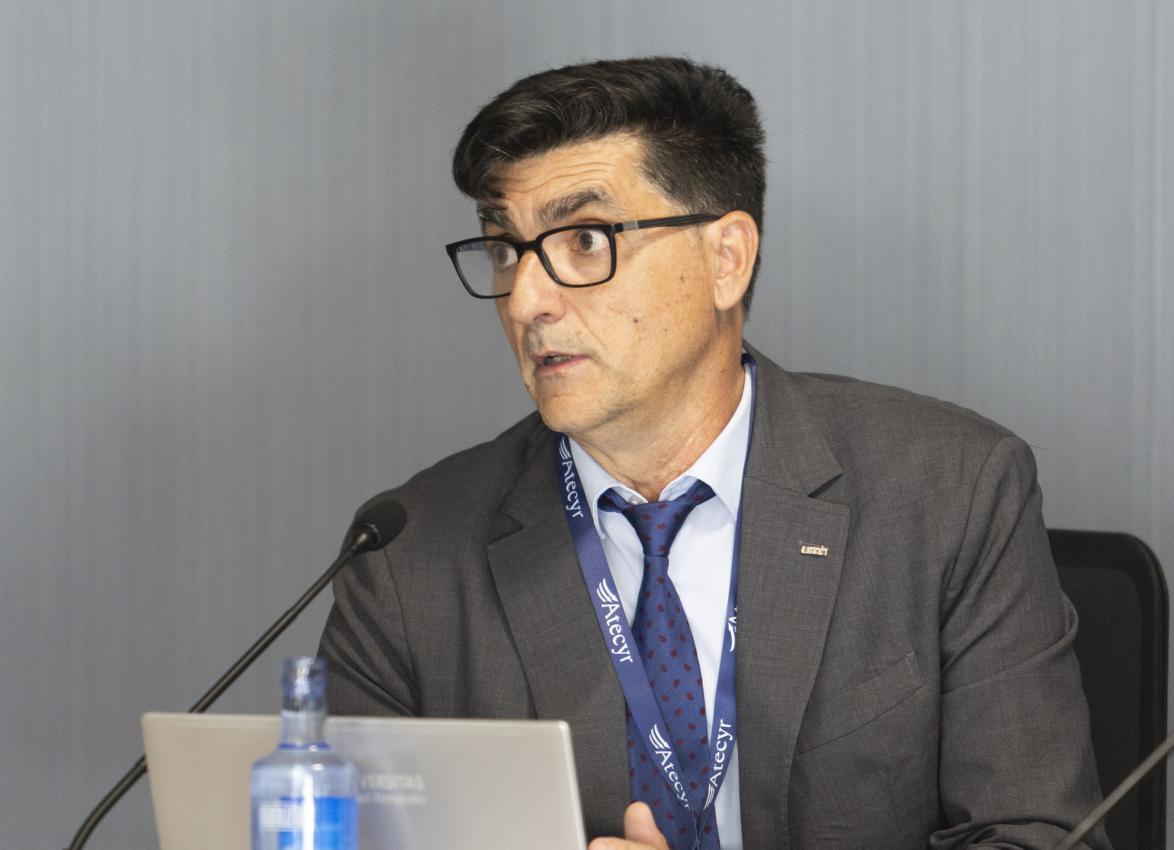
How is the air conditioning and refrigeration industry performing in Spain?
2025 was a moderately positive year on balance, with some uncertainty around the pace of implementation of the decarbonisation of installations. The heat pump market is yet to take off and more boilers are being installed than expected.
The industry perceives that, regardless of the pace of implementation, the decarbonisation target is immovable, and that much of it will come from electrification through heat pumps. There is a perception that we need to prepare for the use of equipment that may also contain natural refrigerants, such as propane, ammonia or CO2.
Where does progress really need to be made this year?
The transposition of the European regulatory framework into national legislation must be completed in 2026. So firstly, in terms of energy efficiency and refrigerant regulation, this will require continuous investments in innovation and technological renewal.
The sector will also need to make further progress in the digitisation of processes and systems, including the application of artificial intelligence to improve efficiency, maintenance and end-user experience.
On what other issues should efforts also be focused?
In terms of professionalisation, the sector needs to further strengthen the role of the installer and maintenance professional. The shortage of professionals must be addressed through increased specialisation and industrialisation of processes.
In a context of rapid change, training is key. Engineering schools need to strengthen technical training in new technologies, refrigerants, electrification and smart systems. It is essential to adapt to the real needs of companies and, in this sense, ad hoc training is increasingly in demand: companies require practical training, adapted to their specific needs and compatible with their production schedules.
In terms of sustainability, an update of the Technical Building Code will be published in 2026, the draft of which already provides a glimpse of the definition of the Zero Emission Building and the calculation of the Global Warming Potential. This will be expressed in kg CO₂eq/m² for a reference study period of 50 years; and this indicator will allow us to establish the real environmental impact of the energy efficiency solutions proposed for buildings.