



Neuroscience and design: combining interiors and landscapes as the key to wellbeing


MUY TÚ HomeDesign and VECA Paisajismo focus on the emotional dimension of space at the heart of design at Intergift.
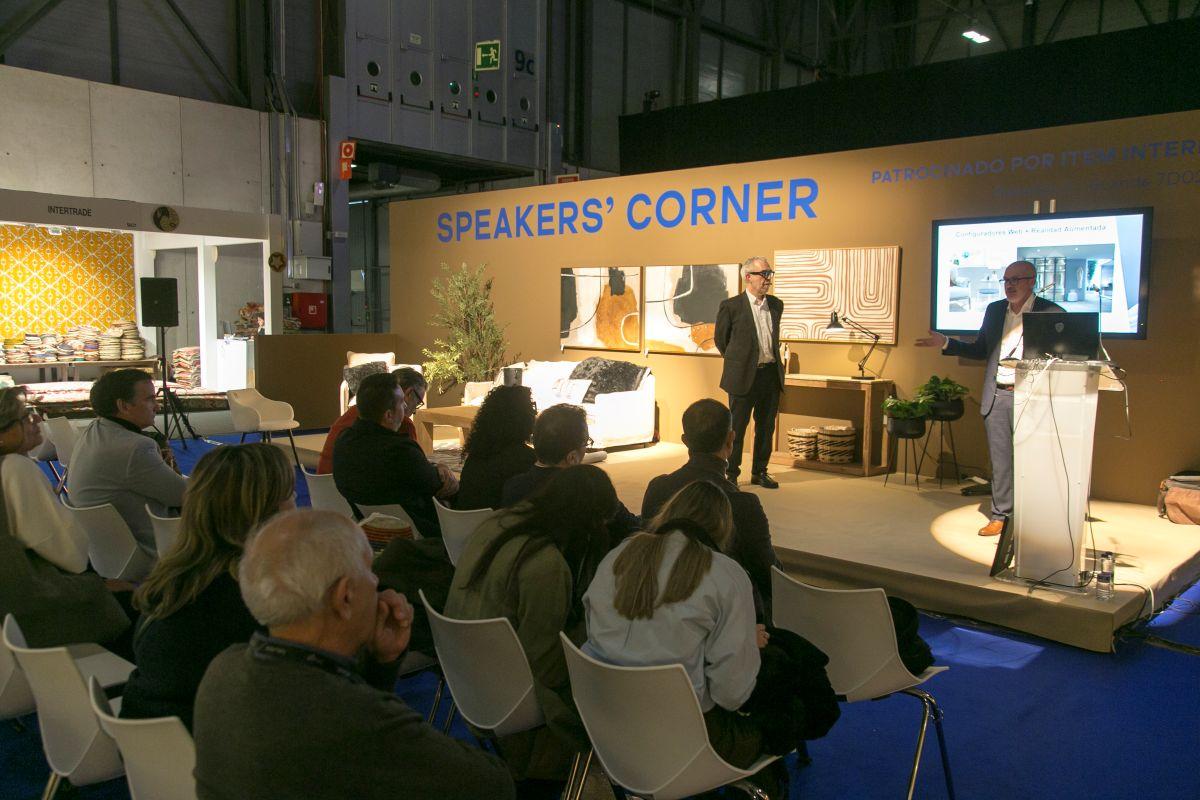
The latest edition of Intergift, held at IFEMA MADRID, once again confirmed its role as a meeting point for the habitat, interior design and decoration sector, and as a platform for anticipating trends and new approaches. In this setting, Gemma García Oliva, founder of MUY TÚ HomeDesign, and Carolina Bustamante, director of VECA Paisajismo, gave a presentation that explored the role of neuroscience in design, offering insights into how spaces affect our emotions and behaviour.
During the session, the speakers explored how elements such as light, colour, textures and vegetation trigger brain responses that directly affect wellbeing. García Oliva argued that design should go beyond aesthetics to become a tool for creating calm and reducing stress. In this vein, she stressed that, from a neurological perspective, there is no real separation between indoors and outdoors: “The outside world is a powerful regulator. It is where the brain lowers its default defences.”
From interior design to neurolandscaping: the same sensory logic
Building on this approach, the talk introduced the concept of “neurolandscaping”, understood as the application of neuroscience principles to the design of outdoor spaces. The core idea is that a residential project only achieves real coherence and effectiveness when interior and exterior are designed in an integrated way and respond to the same emotional logic.
Expert Carolina Bustamante brought this perspective into the practical realm, arguing that the garden should be conceived as a structural extension of the home. “If we do not understand the person, the design will not work”, she said, stressing the importance of analysing both technical factors — such as climate, orientation and soil characteristics — and aspects linked to the users’ lifestyle.
From interior design to neurolandscaping: the same sensory logic
The presentation showed how design directly shapes the everyday use of space. In this regard, Bustamante highlighted that the layout of access routes, seating areas, shaded zones and leisure spaces not only organises the environment, but also determines habits and routes, influencing the day-to-day experience of the home.
The session also highlighted a shift from a focus on aesthetic taste to one centred on identity and emotional well-being. Both professionals agreed that there are no universal solutions, only proposals tailored to each individual profile and their relationship with the environment. In this sense, they argued that integrating nature, interior design, and landscape architecture is key to creating more coherent spaces aligned with people’s real needs.
Intergift will once again welcome the sector to this key annual event, offering a new opportunity to identify trends, strengthen professional networks, and explore the changes redefining the contemporary habitat. The next edition will be held from 3 to 6 February 2027 at IFEMA MADRID.