


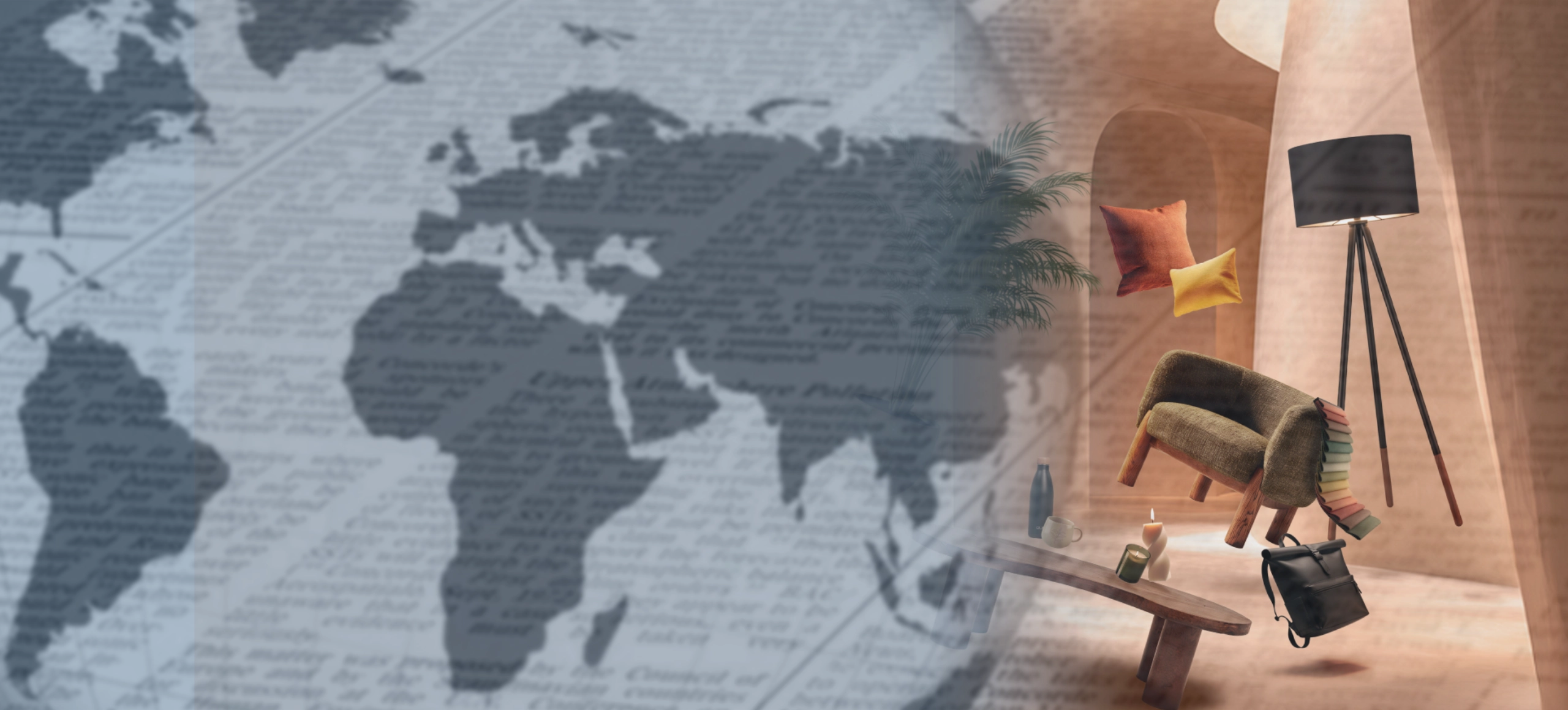

Interior design shifts towards well-being as biophilic design takes root in the evolution of the home


The sector is embracing criteria that prioritise comfort, health, and the user experience, with growing popularity in residential settings, hospitality, and contract spaces.
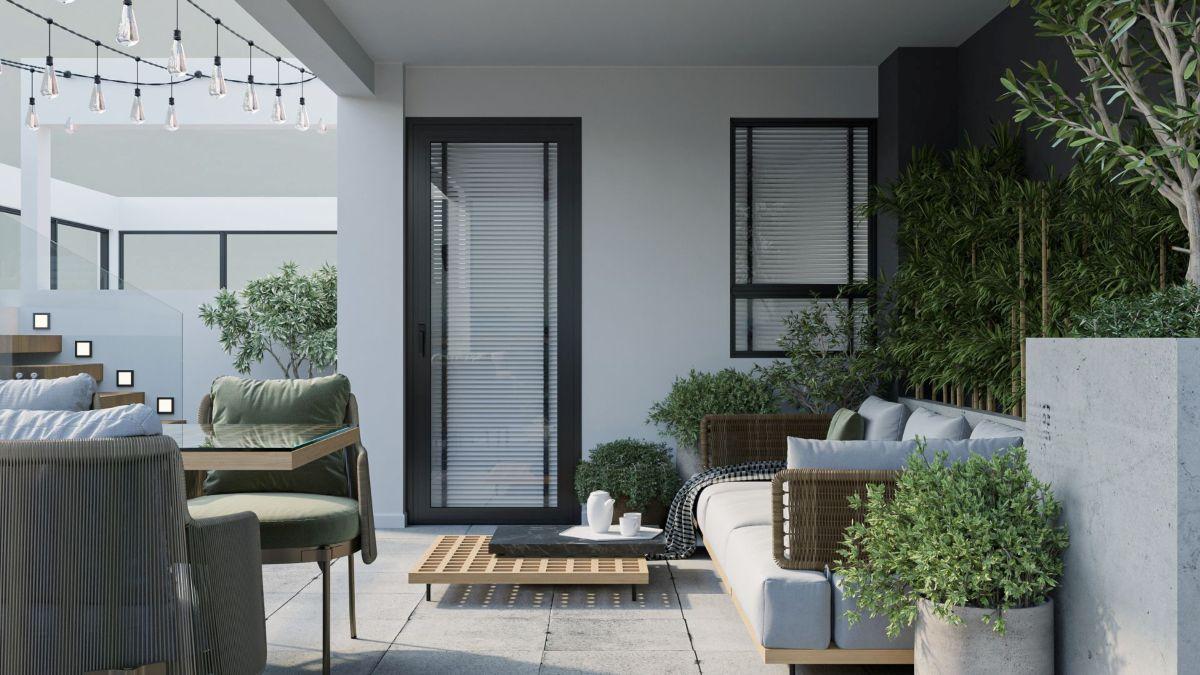
Interior design is welcoming the summer season amid the consolidation of trends focused on well-being, functionality, and quality of the inhabited space. Consumers are prioritising solutions that provide comfort, durability and consistency in the use of space, in line with a more demanding conception of the built environment.
In this scenario, biophilic design has become one of the most promising approaches in the sector. This approach introduces a way of designing spaces by integrating variables such as natural light, ventilation, materiality, and spatial organisation to enhance the user experience.
It is all about shifting towards designs that are coherent with the current urban context and with a growing demand for healthier environments. The home is increasingly a place to linger, driving the need for solutions that facilitate rest, concentration, and emotional balance, incorporating elements that reconnect the user with nature.
Materials, light and shape in the development of biophilic design
One of the main vectors of this trend is materiality. Wood, stone, natural fibres and mineral coatings are gaining ground in projects, not only for their visual value but also for their ability to provide thermal and acoustic comfort.
Furthermore, natural light is also a determining factor in the configuration of spaces. Reconfiguring interiors to optimise access, combined with modular solutions, creates more efficient environments tailored to users’ needs. This approach reinforces the importance of factors that were, until a few years ago, overshadowed by aesthetics.
Formally, the rise of organic lines and less rigid patterns introduces a new approach to design. In contrast to uniformity, these elements encourage greater visual complexity and a more natural relationship with space, in line with the search for friendlier, less artificial environments.
This approach is complemented by incorporating living elements, such as plants and water, as well as greater attention to factors like acoustics and ventilation. However, the use of these solutions is increasingly guided by technical and feasibility criteria, reflecting a higher level of professionalisation in decision-making within interior design projects.
Intergift is the ideal setting for interpreting these dynamics. The next edition of the International Gift and Decoration Fair, to be held from 3 to 6 February at IFEMA MADRID, will once again bring together brands and professionals around new sector proposals, offering a cross-cutting view of how these trends are translated into products and the market.