




Detector reliability identified as a key challenge in fire protection


Detector reliability and the reduction of false alarms are key challenges in fire protection, according to experts at a recent Tecnifuego conference. Consequently, they stressed the importance of regular device replacement, in accordance with the Regulations of Fire Protection Installations (RIPCI) updated this year, which establishes a service life of ten years, excluding technical verification. At a separate forum held in Seville in collaboration with Cepreven, professionals warned that the energy transition presents unprecedented opportunities but also new fire risks that cannot be ignored.
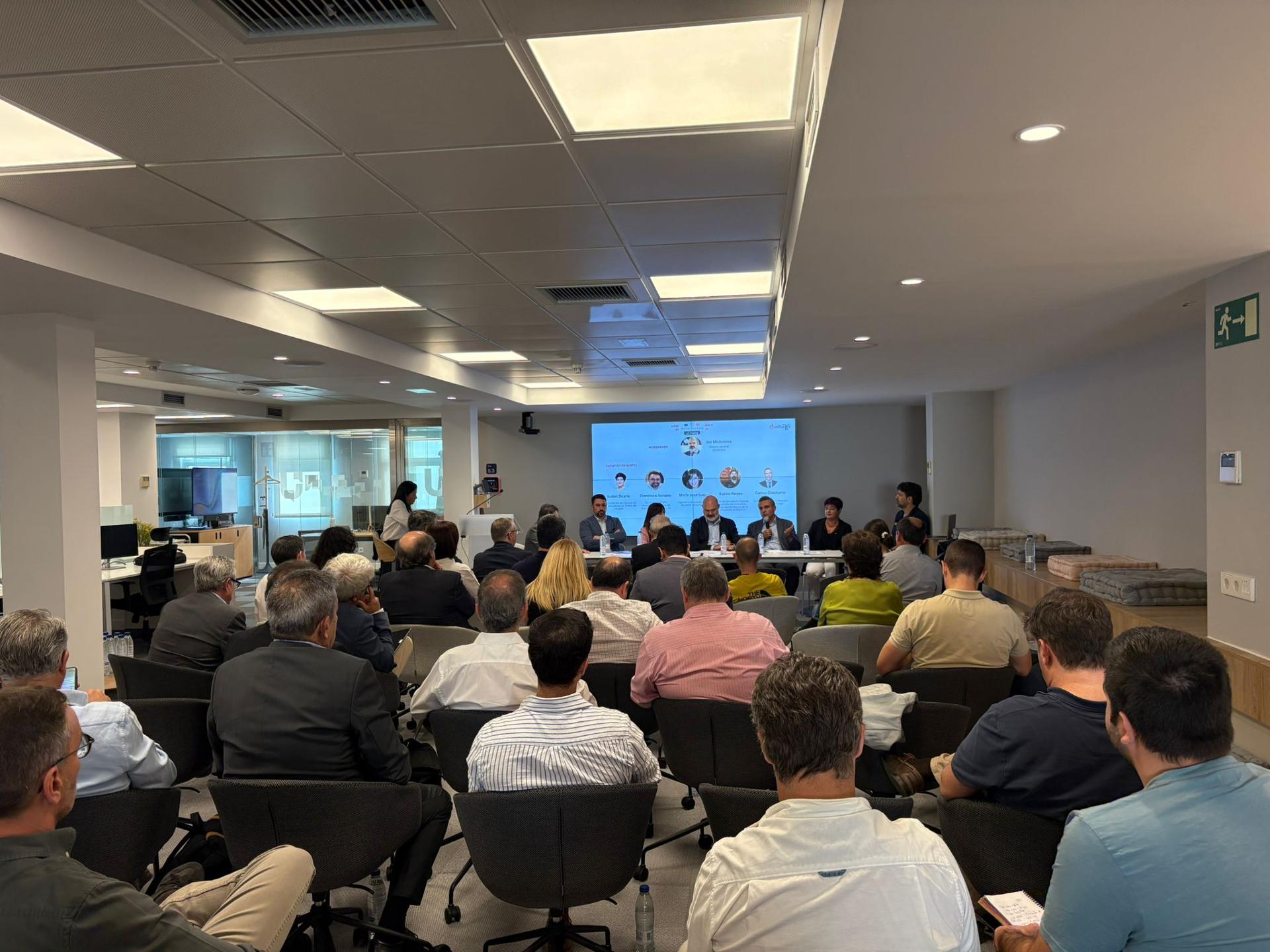
The Spanish Association of Fire Protection Companies (Tecnifuego) hosted the nineteenth edition of its 'Detection Roundtable' at the Madrid headquarters of the Spanish Organization for Standardisation (UNE). The forum brought together experts from the fire service, manufacturers, installers, property managers, and insurers. The conference highlighted the primary challenges facing fire protection (FP) in Spain. These include the ageing building stock, the adaptation of facilities to an increasingly digital environment, and the growing demand for sustainable, secure solutions in residential and commercial sectors.
The event, opened by Julián Caballero, Deputy Director General of UNE, and Antonio Tortosa, Vice President of Tecnifuego, reinforced the importance of standardisation as a basis for driving innovation in fire safety nationwide. "Technology, standards, and experience are our allies, but anticipation remains our best defence," said Lluís Marin, Coordinator of Tecnifuego's Detection Equipment Manufacturers Sector Committee.
Experts agreed that detector reliability and reducing false alarms are critical challenges. Consequently, they stressed the importance of regular device replacement, in accordance with the Fire Protection Installations Regulation (RIPCI) updated this year, which mandates a service life of ten years, excluding technical verification. Remote emergency management was also discussed. Although system connectivity to Alarm Receiving Centres (ARCs) has advanced in recent years, few buildings in Spain currently use this service.
Carlos Chicharro, Director of Tecnifuego's Active Protection Area, warned that remote alarm management requires clear protocols, coordination with emergency services, and measures to mitigate false alarms. He explained that Tecnifuego has developed a guide to interpret this management correctly and that system reliability depends on the maintenance report or remote connection. Furthermore, he highlighted the need to certify connected systems and ensure maintenance adheres to regulations. In this context, he indicated that "the combination of effective passive protection and well-managed alarm systems is the foundation for robust fire protection.”
Jon Michelena, CEO of Cepreven, highlighted the value of creating dialogue spaces like this, where various FP stakeholders come together to anticipate regulatory changes, share experiences, and strengthen fire safety in urban environments, aiming to move towards a safer, better-prepared country.
Energy transition
At a separate conference organised recently in Seville during "Fire Safety Day" by Tecnifuego in collaboration with Cepreven, experts affirmed that the energy transition presents unprecedented opportunities but also new fire risks that cannot be ignored. The forum was attended by professionals from industry, architecture, insurance, government, and emergency services.
According to Tecnifuego Vice President Antonio Tortosa, fires cause 249 deaths and losses exceeding €600 million annually. "We are facing increasingly rapid and intense fires, driven by lithium-ion batteries, new building materials, and a lack of control.” Consequently, the association calls for urgent measures such as mandatory smoke detector installation in all dwellings, the implementation of fire barriers and effective escape routes, and the requirement to use qualified professionals for system installation and maintenance.
This view is shared by the Andalusian Regional Government. Ignacio Cáceres, Head of the Industry Service of the Andalusian Regional Government, stressed that "at a time of regulatory changes such as the present, it is essential to make requirements clearly known and ensure they reach all involved parties.”