




TAPA advocated at SICUR for increasing security in the supply chain


Filipe Joel de Almeida, head of the Transported Asset Protection Association (TAPA EMEA), emphasised at the latest edition of SICUR the need to increase cargo security and strengthen resilience in the supply chain.
He stated that cargo security in Spain is in a state of “resilience at risk,” and added that the scale of losses, underreporting of incidents, and the sophistication of organised crime require a shift from reactive security to proactive resilience.
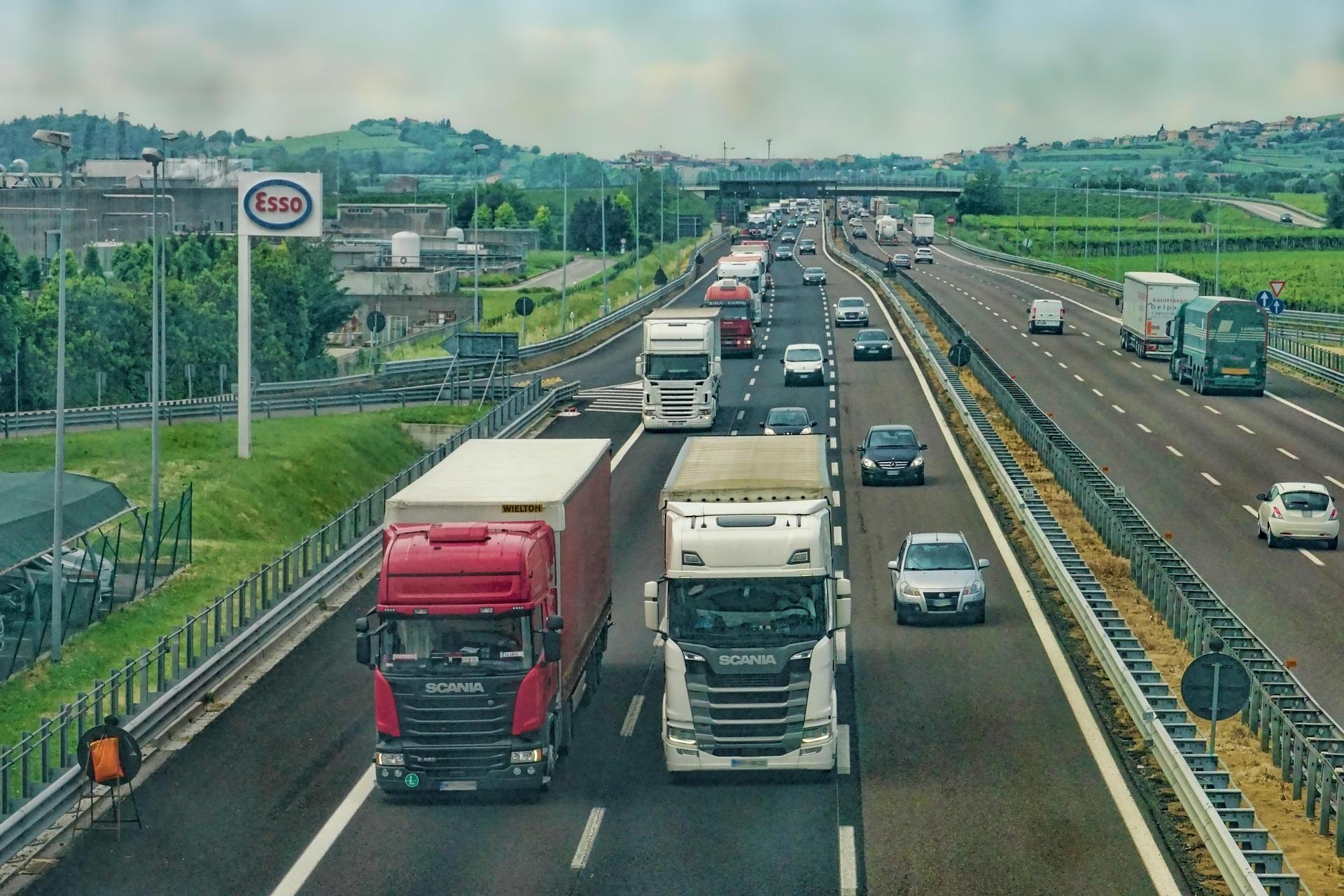
The supply chain in Spain faces a persistent and costly threat: cargo crime. With 3,753 reported incidents over a two-year period (up to the end of 2025), direct losses exceed 100 million euros, mainly affecting road transport. However, the true cost of losses for companies is 5 to 7 times higher than the value of the stolen goods, due to collateral damage to brand reputation and operational integrity. Of the 3,753 recorded incidents, more than 60% targeted trucks, and crimes were reported across all regions of the country.
In this context, Filipe Joel de Almeida stated that TAPA EMEA positions itself as a global leader in mitigating these risks through the standardisation of processes and the implementation of strict security frameworks. According to him, resilience, defined as the ability to recover easily from adversity, is identified as a fundamental pillar for the survival of companies in today’s market.
TAPA is an association dedicated to supply chain resilience and security. Established in 1997, it operates in three main regions: The Americas, Asia-Pacific and EMEA (Europe, the Middle East and Africa). It brings together manufacturers, logistics service providers, law enforcement agencies, insurers and security providers.
Economic consequences
The impact of cargo crime extends far beyond the net value of the stolen goods. Data from the last two years indicate that goods worth €138,070 are stolen from supply chains in Spain every 24 hours; 129 thefts exceeded €100,000, and 29 crimes involved losses of more than one million euros. However, TAPA EMEA emphasises that the total cost to a company is usually 5 to 7 times the value of the stolen goods, as this multiplier includes damage to brand integrity, harm to business reputation, and deterioration of customer relationships.
Across Europe, a study by the European Parliament estimates annual losses of €8.2 billion due to organised theft of commercial vehicles and their cargo. Meanwhile, in Germany, research by 13 leading industry associations reports losses of €2.2 billion per year.
Resilience solutions
To address these threats, Filipe Joel de Almeida stated that TAPA offers four minimum security standards, independently audited every three years. The four standard pillars are: FSR (Facility Security Requirements), TSR (Transported Security Requirements for road transport), PSR (Parking Security Requirements), and the Cyber Security Standard (for cybersecurity in the supply chain).
Among the benefits of implementing these standards, he cited the use of unified standards and best practices; improved mitigation, simplified audits and compliance; economies of scale in security investment and benefits in insurance premiums; improved reputation, trust and competitive advantage in the global market; and the establishment of a common language and framework for partners and clients worldwide.