
Witches: from persecuted women to timeless icons of horror


Few figures have seen their meaning change as much over time as the witch. In different eras, the term has been used to refer to attributed magical practices, folklore characters, legal accusations and fictional characters. This blend of history and myth explains why witches continue to occupy a central place in horror and dark fantasy. For the audience of MADHORROR, the horror, dark fantasy and Halloween culture festival at IFEMA MADRID, the history of witches offers a journey through an imaginary world that connects superstition, collective fear, literature, cinema and popular culture. The 2026 edition will take place from 30 October to 2 November at IFEMA MADRID.
What Does the Word Witch Really Mean?
There is no single definition that is valid for all periods and societies. In European historical sources, witchcraft appears linked to beliefs about people capable of causing harm through supernatural means. In folklore and fiction, the figure expanded to include sorceresses, old women from fairy tales, wise women, fortune tellers and characters associated with pacts or hidden powers.
It is useful to distinguish three levels. The first is the existence of popular, healing or ritual practices. The second is accusations of witchcraft, which could arise from community conflicts, suspicions or religious doctrines. The third is the witch as a cultural character, shaped by stories, images, literature and cinema.
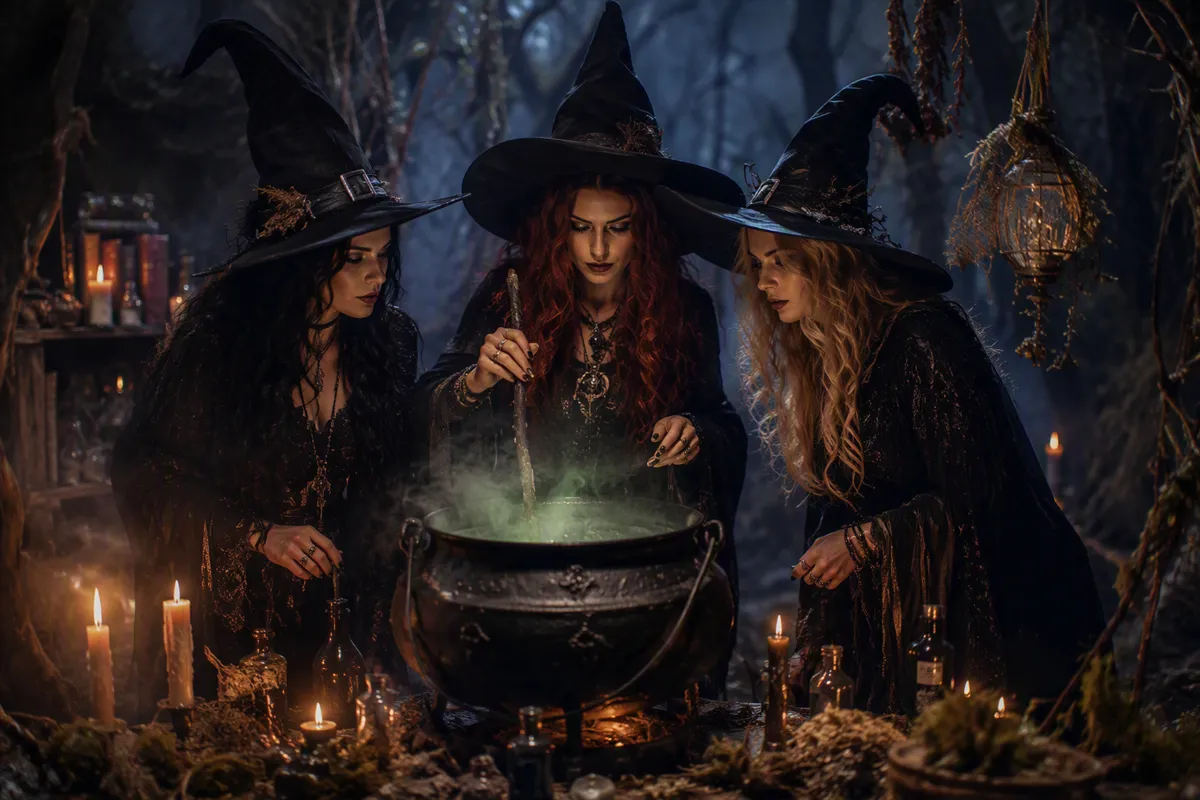
This distinction avoids presenting historical accusations as proof of supernatural powers. The persecutions document real social and judicial processes, while the iconography of the broomstick, pointed hat or cauldron belongs to a later and ever-changing cultural development.
From Antiquity to Christian Europe
Beliefs in magic, divination and practices capable of causing harm appear in ancient societies. Greece and Rome preserved stories about sorceresses and established penalties for certain forms of magic considered harmful.
During the Middle Ages and the beginning of the Early Modern period, local traditions, popular beliefs and religious doctrines combined in different ways depending on the territory. The idea of witchcraft gradually became associated with heresy and with supposed demonic pacts.
The result was not uniform. Authorities, laws and the intensity of persecutions varied according to place and period. For this reason, the history of witchcraft cannot be summarised as a single European episode that was identical everywhere.
The Witch Hunt: Persecution, Fear and Judicial Proceedings
The major witchcraft persecutions took place mainly during the Early Modern period. Between the 15th and 18th centuries, thousands of people were subjected to accusations, interrogations and judicial proceedings in different regions of Europe and in some colonial territories.
Historical studies cited by Historia National Geographic place the number of executions for witchcraft between 40,000 and 60,000 from the mid-15th century to the mid-18th century. The same source notes that the majority of victims were women, although men were also accused and executed.
Accusations could be fuelled by crises, rivalries, illness, religious tensions or the need to find someone to blame for events that were not understood. The persecution shows how collective fear can turn into institutional suspicion and punishment.
Who Was Accused of Witchcraft?
There was no single profile. Historical sources record accusations against women and men of different ages and social backgrounds. However, women constituted the majority of those executed during the major European persecutions.
Social vulnerability could increase the risk. Being isolated, poor, elderly or involved in neighbourhood disputes could make a person more likely to be suspected. Certain accusations were also associated with healing knowledge or popular practices, but it should not be claimed that all victims were healers or midwives.
Each trial had its own context. Generalising a single profile erases regional differences and the specific causes that could turn a local complaint into a formal accusation.
From Trials to Fairy Tales: How the Popular Witch Was Born
When the persecutions declined, the witch continued to live on in folklore, literature and printed imagery. Popular tales fixed features that we still recognise today: the house in the forest, potions, spells and the threat posed to those who enter its territory.
Later, theatre, illustration and cinema transformed this figure once again. The witch could be a villain, a comic character, a guide, a victim or a symbol of power. Each era selected the elements that best suited its own fears and debates.
This ability to change explains its enduring relevance. The witch functions equally well in supernatural horror, fantasy, historical drama, satire and coming-of-age stories.
Witches in Horror and Fantasy Cinema
Cinema inherited centuries of imagery and stories, but it did not simply repeat them. Some films present the witch as an external threat; others focus on the community that accuses, the character's autonomy, or the ambiguity between superstition and reality.
The cinematic power of this figure lies in its ability to evoke several fears at once: the unknown, loss of control, isolation, suspicion and the power of a community against an individual. It also allows discussion of identity, authority, tradition and exclusion without leaving the realm of genre storytelling.
For creators, researching the history helps to avoid automatic clichés and build more accurate worlds. For audiences, understanding the historical context makes it possible to distinguish between real victims of persecution and fictional characters created to inspire fear or fascination.
Witches and MADHORROR: A Cultural Connection, Not a Confirmed Activity
MADHORROR brings together content related to horror, dark fantasy and Halloween culture, including cinema, exhibitions, immersive experiences, gaming, comics, workshops and activities. The figure of the witch fits naturally into this cultural imagination because of its continuous presence in folklore and fantasy fiction.
The internal documentation consulted confirms the general framework of the event and its dates, but does not describe a specific activity entitled “Witches” nor provide a timetable dedicated exclusively to this subject. For editorial accuracy, this piece is presented as sector-related content for the MADHORROR audience and not as an announcement of a specific activity.
- Beliefs in magic and supernatural practices appear in sources dating from before the Middle Ages.
- The major European witchcraft persecutions reached their height between the 15th and 18th centuries.
- Historia National Geographic records an academic estimate of between 40,000 and 60,000 executions for witchcraft from the mid-15th century to the mid-18th century.
- The majority of victims of the European persecutions were women, although men were also accused.
- The modern witch combines historical, folkloric, literary and cinematic elements.
- MADHORROR 2026 will take place from 30 October to 2 November at IFEMA MADRID.
Frequently Asked Questions About Witches
Did witches really exist?
People accused and convicted of witchcraft certainly existed. That does not prove the existence of supernatural powers; it proves that beliefs, accusations and judicial proceedings had real consequences.
When did the witch hunts take place?
The most intense persecutions took place during the Early Modern period, especially between the 15th and 18th centuries, with significant differences between regions.
Were only women accused?
No. Men were also accused. However, women constituted the majority of victims during the European persecutions.
Where do the broomstick and pointed hat image come from?
The popular iconography developed gradually through folklore, stories, illustrations, theatre and audiovisual culture. It does not describe a single historical model of the people accused of witchcraft.
Is there a specific activity about witches confirmed at MADHORROR?
The sources consulted confirm the broader horror and dark fantasy programme, but do not specify an activity entitled “Witches”. It is advisable to check the official programme for future updates.
In Summary
The history of witches combines ancient beliefs, real accusations, judicial persecutions and centuries of cultural transformation. The great witch hunts of the Early Modern period affected thousands of people and had women as their main victims. Over time, the witch moved from legal records and sermons into folklore, literature and cinema. Today it remains a central figure in horror and fantasy, and a topic of natural interest to the MADHORROR audience, although the documentation consulted does not yet confirm a specific activity under that title.