



Charles M. Schulz and Snoopy. A silent legacy in favor of service dogs


For millions of people around the world, Snoopy is an icon of popular culture. An endearing, imaginative, and deeply human character who has been part of the collective imagination for decades. However, behind that dog made of paper and ink lies a lesser-known but no less relevant story: the direct involvement of its creator, Charles M. Schulz, in promoting one of the most important service dog movements in the United States.
Schulz was not just the author of Peanuts. He was, above all, a person with a deep and genuine connection to dogs, a connection that transcended the artistic and translated into a real commitment to those who need them most.
Snoopy: much more than a pet
Snoopy broke all the molds of how dogs were represented in the media. He was not a passive companion or a mere background animal. He had his own thoughts, boundless imagination, and a unique ability to express complex emotions without saying a single word.
From his delusions as a pilot to his existential reflections on life, Snoopy ceased to be “the pet” and became a reflection of the human experience. This way of portraying a dog as an emotionally fulfilled being was no accident. In a way, it anticipated Schulz's view of animals: companions capable of connecting, sustaining, and transforming lives.
From paper to action: a discreet but decisive commitment
That bond did not remain in fiction. Over the years, Schulz used his notoriety to actively support the training and integration of service dogs for people with disabilities and military veterans.
His involvement was constant and concrete: financial support, donations of original Peanuts artwork for charity events, and, above all, public visibility at a time in history when service dogs did not yet enjoy the social recognition they have today.
A gesture that changed everything
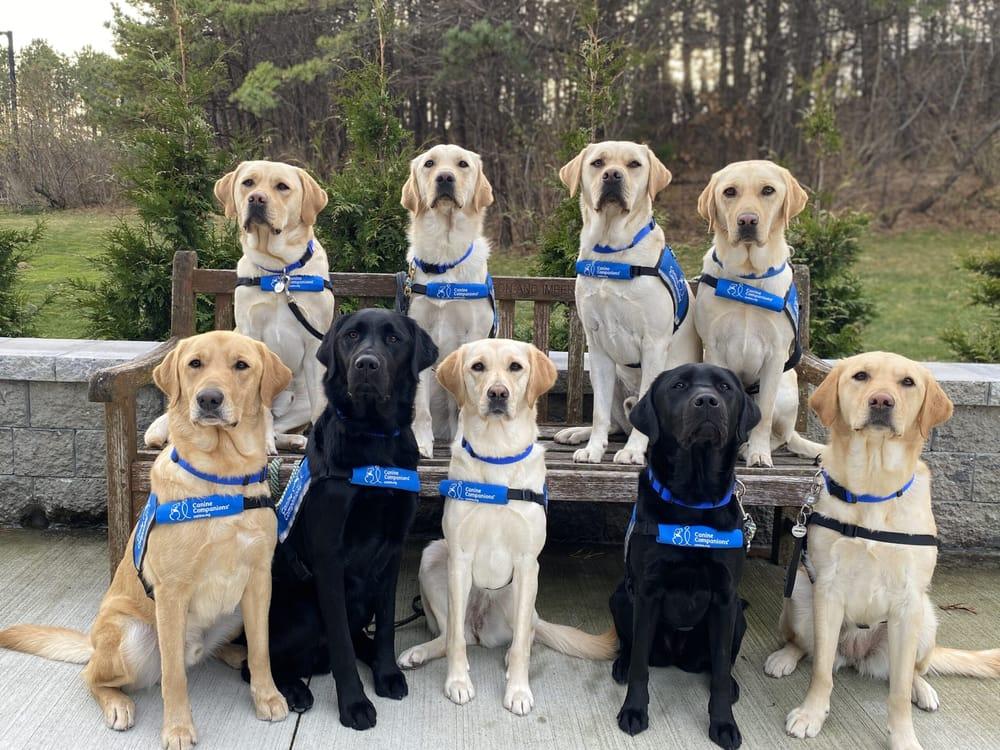
The turning point came in 1994. Schulz and his wife, Jean, made an extraordinary donation: a piece of land in Santa Rosa, California, valued at approximately seven million dollars. This donation made it possible to create an entire campus dedicated to breeding, training, matching, and accompanying service dogs. That space became the operational heart of Canine Companions, today one of the leading organizations in this field in the United States.
Dogs that restore autonomy, dignity, and balance
The impact of service dogs goes far beyond technical assistance. These animals help open doors, pick up objects, or maintain physical balance, but they also detect signs of anxiety, offer emotional support, and facilitate social reconnection. For many people, a service dog means regaining independence, emotional stability, and quality of life. Thousands of these relationships have been made possible thanks to Schulz's early and sustained efforts, a legacy that lives on and continues to grow.
A legacy that transcends the comic strip
Charles Schulz helped change the way we understand dogs, both in popular culture and in real life. His story shows that art can be a vehicle for empathy, and that individual commitment can bring about lasting collective change.
Behind Snoopy there is more than just humor and tenderness. There is a vision of the human-animal bond that can improve real lives. And that, without a doubt, is one of its creator's most valuable legacies.