



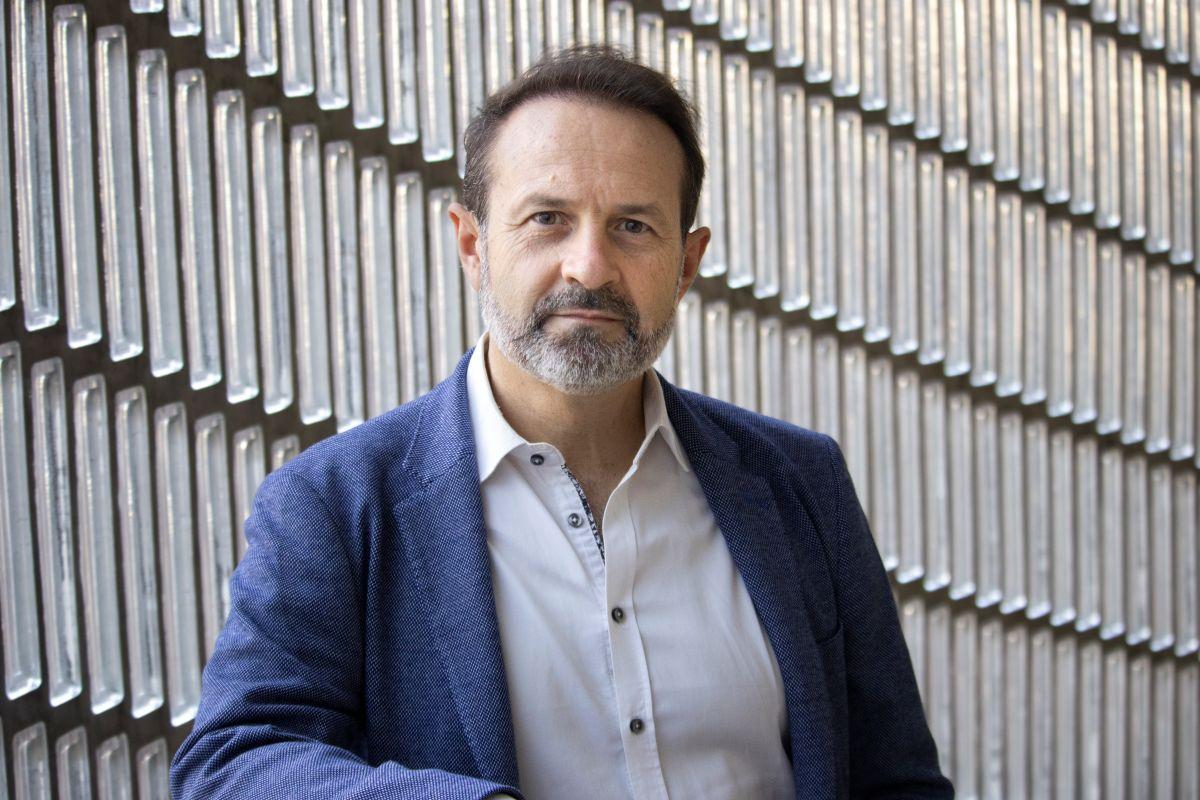
Interview with José Ramón Becerra, Animal Rights General Director


José Ramón Becerra Carollo holds a degree in Industrial Engineering from the University of the Basque Country and a Master's Degree in Environmental and Occupational Risk Prevention and Control from the UNED. Professionally, he has spent almost his entire career in public administration, holding technical and management positions such as Director of Environmental Administration and Director of Strategic Projects and Industrial Administration for the Basque government. He is a national leader in the field of animal rights thanks to the Animal Protection Bill he launched as a member of the Basque Parliament.
The fair as a meeting point for the sector
Q-Iberzoo Propet has established itself as the major meeting point for professionals in the pet sector in Spain. From your institutional perspective, what role do you think these types of events play in structuring the sector and in the dialogue between companies, associations, professionals, and public institutions?
It is clear that the fair plays a fundamental role as a meeting place and a forum for professionals and associations working in the pet welfare sector to keep up to date.
As far as institutions are concerned, it allows us to get closer to the day-to-day running of the different economic sectors and to gauge the needs or concerns that may affect them at any given time.
Generation of knowledge and content
Q- Beyond commercial exchange, the fair has also become a space for content generation, analysis, debate, and sectoral reflection. Do you think it is necessary to create spaces for dialogue to convey the opinion of professionals to the public on key issues such as animal welfare, responsible ownership, or regulatory issues that often appear complex to citizens?
A- Indeed, this opinion should not only be conveyed to the public, but also to the institutions that come here. And, of course, to other professionals, because the reality is that the sector is nourished by a compendium of knowledge that, each from their legitimate interest, must be aligned around a single objective: animal welfare.
The Iberzoo Propet model
Q: Since its inception, Iberzoo Propet has been committed to a unique formula in the European trade fair scene for the sector, which is based on bringing together the entire value chain, i.e., veterinarians, retailers, laboratories, food, accessories, professional services, etc. Do you think that this cross-cutting approach creates synergies, optimizes, and adds value to the experience of exhibitors and visitors?
A-Yes, indeed. As I said, animal welfare is made up of different but synergistic visions. This complementarity allows for a much more robust approach to the concept and enriches the vision of those who come to the fair.
Presence of the Directorate General at the event
Q- The DGDA has committed to being present at the event. It sponsored the ArtForum at the previous edition, participating in institutional events, and its main members have participated in multiple editions of FORUM in its round tables and/or presentations, even sometimes with its own stand. Is this continued participation a sign of the DGDA's desire to be in direct contact and take the pulse of the sector also on a “business” platform such as IberzooPropet?
A: Without a doubt. A Directorate-General such as ours must always be close to the sector that provides welfare for the animals in our homes. At the same time, it is also important for the sector to listen to our voice and learn about our initiatives firsthand, because this two-way communication is essential to achieving shared progress.
Presence of the DGDA at the Iberzoo Propet FORUM
Q- In what is now a traditional event, this will be the third time you have participated as a speaker at the Forum on Trade and Industry in the Pet Sector, organized by AEDPAC. In your presentations, you usually take stock of the main achievements of the year and present topics that will be of current interest from a legislative or trend perspective. Can you give us a preview of the topic chosen for this year's presentation?
A- With Law 7/2023 about to celebrate its third anniversary, it is important that in this edition we take stock of the progress made so far, that we are able to evaluate the law and its regulatory development and, with the perspective that time has given us, list the challenges that lie ahead in order to consolidate the regulations and improve the welfare of all companion animals.
Towards a sector within the sector?
Q-It seems that there is beginning to be a harmony between the social narrative, the so-called pet-friendly culture, and the professional narrative, especially in the veterinary field, which is increasingly specializing exclusively in companion animals. Do you think that the need to build a common narrative for the companion animal sector as such has been recognized and that Spain is moving towards a more cohesive and strategic vision in this regard? What role can the DGDA play in creating this unique territory with its own personality in so many areas?
Without a doubt, the pet sector is gaining ground in a continuous and sustained manner. It is not the institutions or the sector that are leading this change, but civil society itself that has catalyzed the change in mentality.
This new vision of pets as part of our homes and our societies is what is forcing all other actors to reposition themselves, whether it be the veterinary community, the retail sector, food and product manufacturers, or the institutions themselves. The sector is changing because society has already changed.
Final message to professionals in the sector
Q-To conclude this interview, what message would you like to convey to the companies, professionals, and associations participating in the trade fair as exhibitors, participants, or visitors to the various events and activities taking place within the framework of the event?
A-That they commit to animal welfare and protection, but also to health and sustainability. The One Health concept is not just a holistic approach to human, animal, and planetary health.
It is above all a compass that allows us to face challenges with a coherent and shared vision, in which all sectors win, but above all, society and the animals that live in it win.