




Borja Portu: Acoustic safety system for MADRING a very special project for LDA


LDA Audio Tech, a Spanish manufacturer of EN 54-certified public address and voice evacuation systems, was the company responsible for designing and commissioning the acoustic safety system at the MADRING International Circuit in Madrid. The venue, which can accommodate 120,000 people a day, hosted the first Spanish Formula 1 Grand Prix to be held in the capital, as part of an agreement between IFEMA Madrid and F1 that runs until 2035. Borja Portu Pequeño, Area Manager for Spain and Latin America at LDA Audio Tech, explains how the project came about.
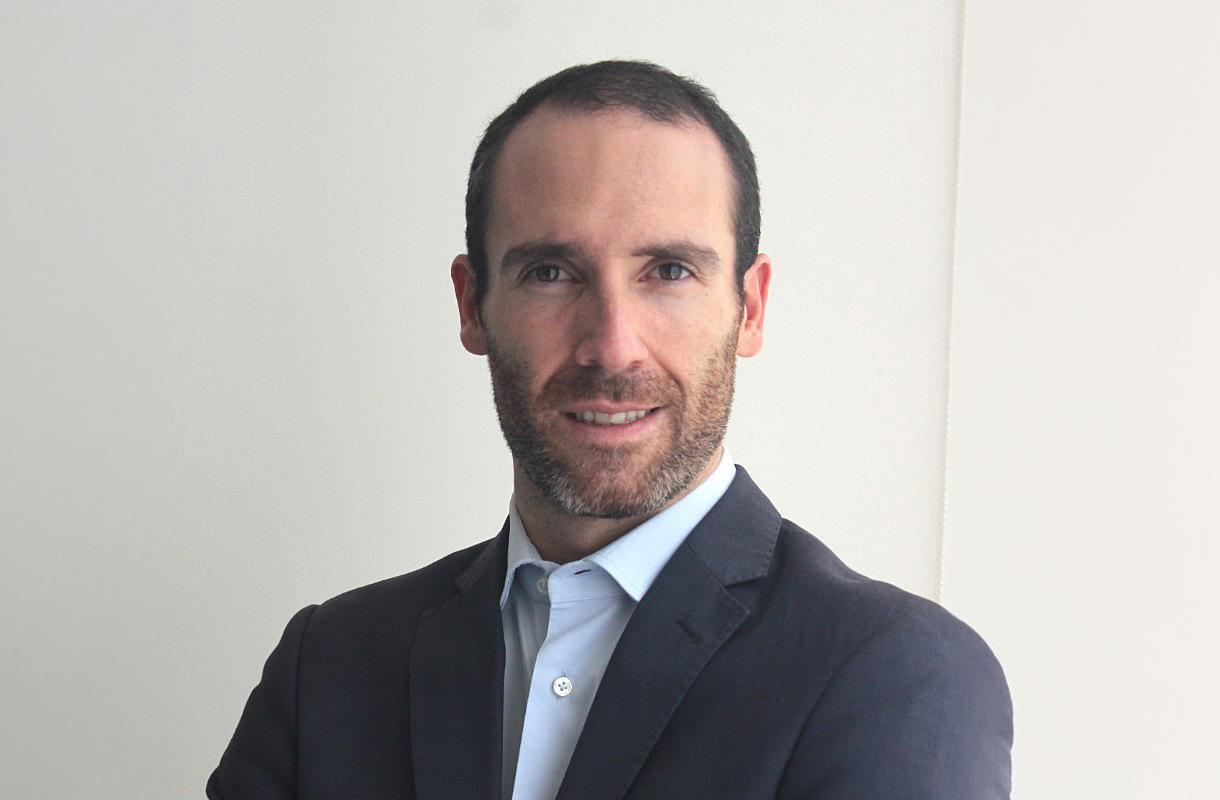
LDA Audio Tech was the company responsible for designing and commissioning the acoustic safety system at the MADRING International Circuit in Madrid. What did the project involve?
The aim of the project was very clear: to ensure that any safety message or instruction could be heard clearly and reach exactly those areas where it was needed. And doing so in a venue of this size, with a capacity of 120,000 people a day, presents a significant challenge.
We designed and commissioned the public address and voice evacuation system for the entire venue: the circuit, the grandstands, the pavilions, the Fan Zones and the hospitality areas. Spaces that are very different from one another, yet integrated within a single architectural framework.
How long did the project take to complete?
Less than two months. In the height of summer, too. The date of the race was set in stone, so there was no room for delays. Everything had to be designed, installed, tested and up and running on time.
What were the main challenges in this project?
The main aim was to ensure clear and effective emergency communication in any situation. To achieve this, we had to integrate the existing audio systems, ensure that each zone received the appropriate messages in accordance with its own evacuation plan and, above all, ensure that those messages were perfectly clear even above the noise levels that a Grand Prix can generate.
And all of this, of course, in compliance with the regulations on voice-based evacuation.
What was it like working with IFEMA MADRID?
We worked very closely with IFEMA MADRID throughout the project. This was based on a relationship of trust and many years of working together, as IFEMA’s own public address and voice evacuation system is also supplied by LDA.
During the development phase, we visited the circuit on several occasions, working on and testing the system alongside the IFEMA MADRID security team. One of the key challenges was to ensure that our evacuation system worked alongside the race audio system operated by the FIA, which is a completely separate system.
And, of course, there was constant coordination with Ruybesa and DZ Engineering, the project integrators, which was essential to meeting such demanding deadlines.
What technical challenges did you have to overcome?
The deadline was undoubtedly the first major challenge. But technically speaking, there was another very important factor: each area of the venue already had its own audio system, and we had to integrate them all within a common voice evacuation architecture, while making the most of the existing infrastructure.
And then there was the noise. In a Grand Prix, it is not enough for a message to be heard: it must be clearly understood. Ensuring that intelligibility in such a demanding acoustic environment was another of the project’s major challenges.
What technology does the solution use?
The solution is based on our NEO+ public address and voice evacuation system, designed to operate on a scalable basis in large-scale installations. The venue is organised into more than 15 islands connected via NEXO Hub and synchronised in real time via AES67, all within a single architecture.
To give you an idea of the scale, the circuit’s installation alone comprises 59 NEO-4500E+ extensions spread across 20 racks along the track, and 456 Biamp Community loudspeakers to cover the stands. Added to this are the facilities in Hospitality areas, the Fan Zones, several halls and the two checkpoints.
How was the system tested and validated?
The system was tested and validated on site prior to the event, in collaboration with the FIA and the IFEMA MADRID security team. We carry out the necessary tests to check both the coverage and, above all, the intelligibility of the messages in the various areas.
The results were very good: we achieved STI values in excess of 0.5 and sound pressure levels above 100 dB in the stands, meeting the requirements set out for the project.
What is your assessment the results achieved?
A very positive one. We were at the circuit over the race weekend, watching the system in action under real-world conditions, and the results were very good. The messages could be heard clearly even over the noise of the engines, which is a particularly demanding test at a Grand Prix.
For us, another major achievement was ensuring that such diverse spaces formed part of a single evacuation strategy. It’s something the public doesn’t see, but they have to be fully prepared to respond whenever necessary.
MADRING has been a very special project for LDA, not only because of its scale and visibility, but also because of its technical demands. I think it really highlights what we are capable of as voice evacuation specialists: tackling large-scale, complex projects, supporting them from design right through to commissioning and, in this case, doing so within an exceptionally short timeframe.