


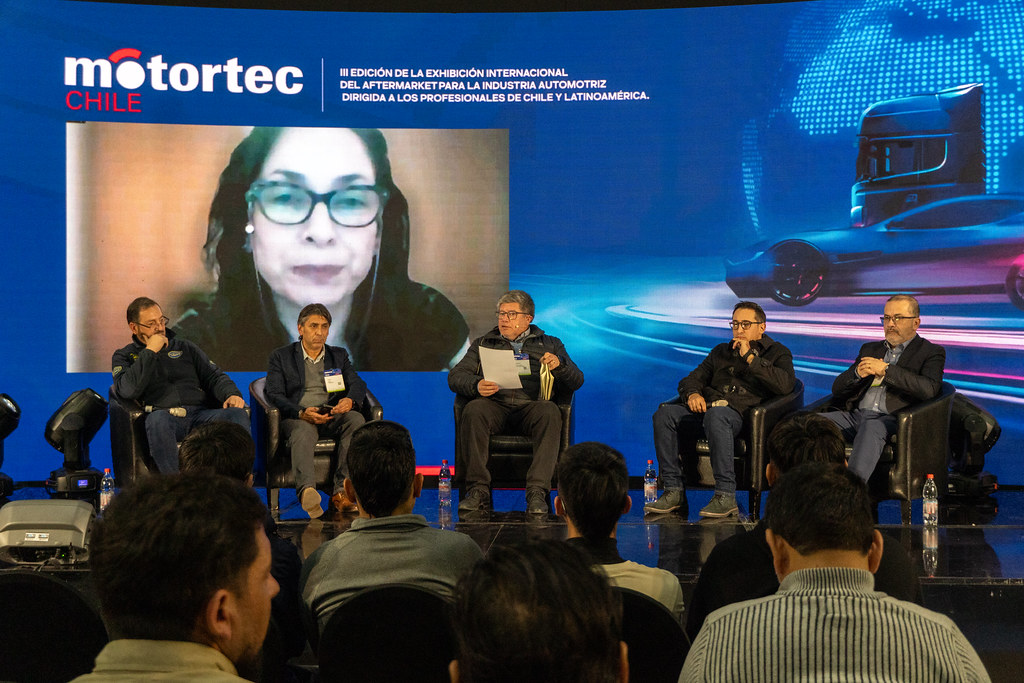
The Motortec International Forum addresses the three key areas of the automotive aftermarket
The event will place a strong emphasis on the adjustments that workshop technicians must make in response to new technologies, both automotive and digital.
The automotive aftermarket is undergoing a process of profound transformation marked by the emergence of new technologies and the constant evolution of the vehicle fleet. This is a landscape in which the role of repair shops and all stakeholders in this sector is being redefined, forcing them to adapt to a new industry that is increasingly complex and competitive.
In this context, the Motortec Chile International Forum positions itself as a key platform for analyzing these challenges and issues. Through content focused on current events and decision-making, the forum aims to provide a strategic perspective that enables professionals to anticipate the changes currently underway.
Motortec Chile is organized by FISA, part of the GL events Chile Group, and will take place from June 18 to 20 at Espacio Riesco. During these days, in addition to the trade show itself, the International Forum will be held, where various exhibitors will facilitate knowledge exchange, networking, and professional development.
The forum’s program includes three thematic areas that address different realities facing the automotive industry today and in the future. The first focuses on new mobility technologies. It aims to explore how electrification, connectivity, and digitalization are transforming the aftermarket. The goal of this discussion is to help the sector adapt—both technically and commercially—to a vehicle fleet that is growing larger, more diverse, and increasingly tech-driven. It aims to highlight the opportunities emerging for repair shops as well as training institutions.
The second topic will address technical specialization within the automotive industry. It will focus on technological advances in vehicles and how these require professionals to adapt, shifting from general to specific knowledge. The discussion will aim to understand what kind of repair shop talent is needed today, what training is necessary, and what types of certifications are most useful for validating work.
Finally, we will discuss the evolution of the auto repair shop business into the business model we know today. From the traditional repair shop where people went to have their vehicles fixed to what exists today—with significant improvements in management, service, and the customer experience. Additionally, a key factor is digitalization. All of this takes place within a market that is becoming increasingly demanding.
“This Forum aims to address the changes the aftermarket is undergoing, providing concrete and applicable content for the various stakeholders in the sector,” said Carola Fuentes, general manager of FISA. “The incorporation of new technologies, along with the need to professionalize workshop management, are part of a transformation that is already underway and that requires meeting spaces like Motortec Chile to be addressed comprehensively,” she added.