


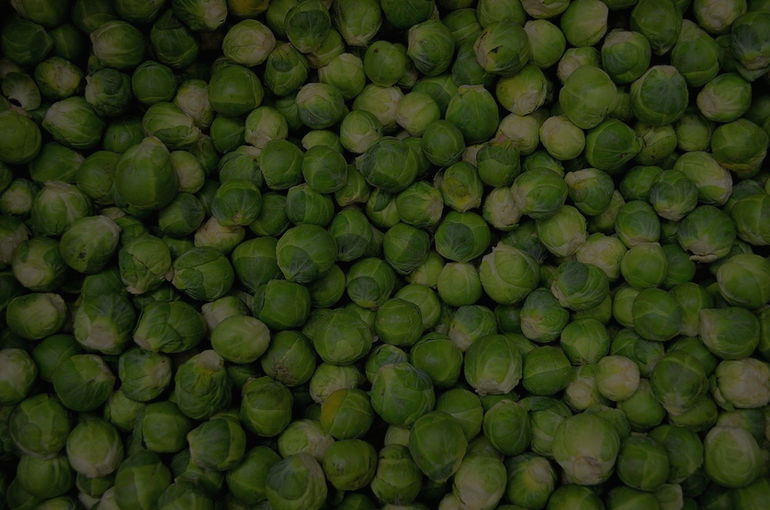
Food waste and malnutrition: a silent crisis affecting health and the environment.
Food waste and malnutrition: a silent crisis affecting health and the environment.
Study reveals that less than 251% of the adult Brazilian population consumes the recommended amount of fruits and vegetables.
Food waste and nutritional deficiencies are problems that affect not only public health but also the environment. Issues related to expiration dates, post-purchase use, and the natural deterioration of fresh foods – especially fruits, vegetables, and greens (FVG) – bring to mind an almost unthinkable scenario: "Imagine going to the supermarket, buying three bags of food, and immediately throwing one in the trash as you leave." This is illustrated by the website Progressive Grocer, which specializes in the American retail sector. The site also points out that, according to US government authorities, between 30% and 40% of the food supply is never consumed, wasting not only the food itself but also the resources needed to produce it: water, land, and energy.
Brazil is following this trend: a recently published study in the scientific journal Cadernos de Saúde Pública indicates that less than 251% of the adult Brazilian population consumes fruits and vegetables in the quantity recommended by the World Health Organization (WHO). Here, rising prices and changes in economic policies affecting the supply chain are certainly also factors impacting consumer choice, leading to a preference for ultra-processed foods that are easily accessible and of lower nutritional value, promoting a dangerous crisis that extends beyond the market.
In order to address this alarming scenario of waste and lack of nutrition, Aravita offers innovative solutions aimed at optimizing the management of fresh fruits and vegetables in supermarkets. Using artificial intelligence, the startup analyzes internal and external data to predict demand and manage inventory predictively, ensuring that supermarkets have the ideal quantity of products available, avoiding excesses and minimizing waste. As a result, Aravita has already helped retail chains reduce fruit and vegetable losses by up to 20% and stockouts by 30%, promoting a more efficient and sustainable operation.
With a commitment to transforming the retail landscape, Aravita believes that reducing food waste is not just an operational issue, but a social and environmental responsibility. The startup aims not only to increase the availability of fruits, vegetables, and legumes on store shelves, but also to contribute to a healthier society by providing consumers with access to fresh and nutritionally rich foods. By addressing the challenges of fresh produce management, Aravita is shaping a future where waste is minimized and nutrition is prioritized, benefiting both retailers and end consumers.
About Aravita
Aravita is an artificial intelligence startup that helps retailers optimize the management of fresh foods, such as fruits, vegetables, and greens, reducing food waste and increasing the availability of demanded items. The solution optimizes purchasing and enables new levels of efficiency in fresh food operations in supermarkets, increasing revenue from fresh produce in retail. www.aravita.com
press information
Tree Communication
Mariana Nassif – [email protected]
11 96996-3267


